- Traumatic Brain Injury (TBI) Surgery
- Craniotomy
- Minimally Invasive Brain Surgery
- Brain Tumour Removal
- Aneurysm Clipping
- Endoscopic Brain Surgery
- Arteriovenous Malformation (AVM) Surgery
- Epilepsy Surgery
- Hydrocephalus Treatment
- Deep Brain Stimulation (DBS)
- Traumatic Brain Injury (TBI) Surgery
- Stroke Surgery
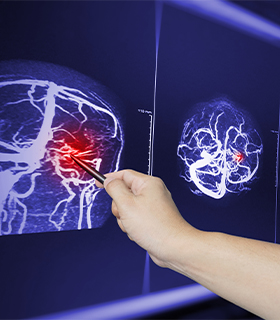
Traumatic Brain Injury (TBI) Surgery
Surgery removes life-threatening clots, hematomas, and skull fractures to treat severe head injuries, enhancing recovery and function.
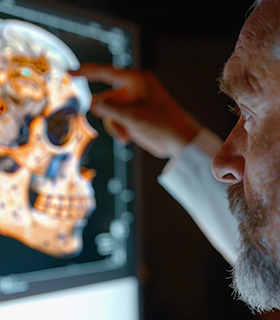
Craniotomy
Surgical procedure to access the brain by removing a portion of the skull, commonly used to treat tumours, aneurysms, and trauma.
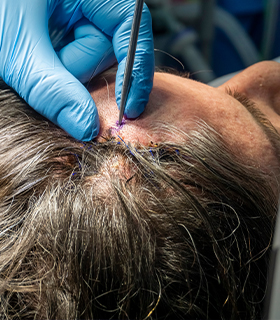
Minimally Invasive Brain Surgery
Techniques involving small incisions and specialised tools to treat brain conditions with reduced recovery time and risk.
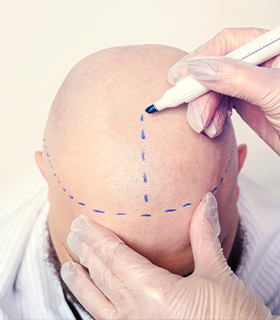
Brain Tumour Removal
Surgical excision of benign or malignant brain tumours to alleviate symptoms and improve neurological function.
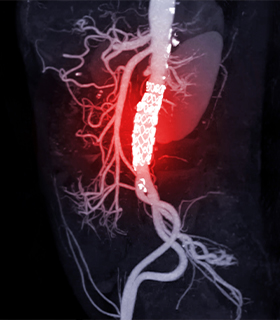
Aneurysm Clipping
Procedure to place a metal clip at the base of a brain aneurysm to prevent rupture and bleeding.
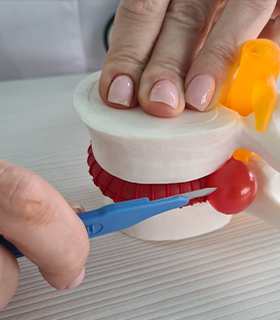
Endoscopic Brain Surgery
Use of an endoscope to treat brain conditions through small incisions, enhancing precision and minimising recovery time.
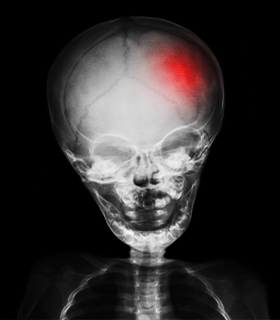
Arteriovenous Malformation (AVM) Surgery
Surgical removal or treatment of abnormal tangles of blood vessels in the brain to prevent bleeding and seizures.
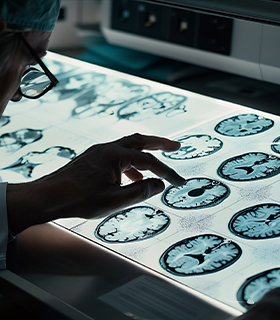
Epilepsy Surgery
Procedures to remove or modify brain tissue to reduce or eliminate seizures in patients with epilepsy.
Hydrocephalus Treatment
Surgical placement of shunts or endoscopic techniques to relieve excess cerebrospinal fluid in the brain.
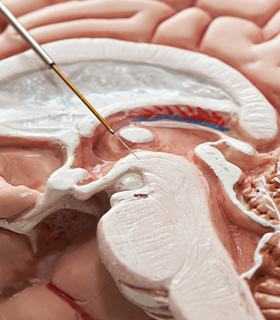
Deep Brain Stimulation (DBS)
Implantation of electrodes to regulate abnormal brain activity, commonly used for Parkinson’s disease and other movement disorders.
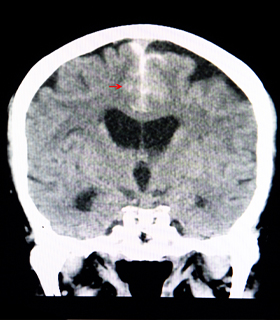
Traumatic Brain Injury (TBI) Surgery
Emergency and planned surgeries to address damage caused by traumatic brain injuries, enhancing recovery and function.
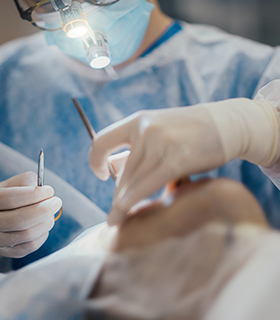
Stroke Surgery
Mechanical thrombectomy and decompressive craniectomies are life-saving surgeries enhancing patient outcomes.