080 6801 6801
 080 6801 6901
 Cardiac Sciences
 Bone and Joint
_6a5881022bb72.webp) Gastrointestinal Sciences
Gastrointestinal Sciences Neurosciences
 Renal Sciences
 Maa Kauvery (Women and Child Health)
 Robotic Surgery
 Accident and Emergency Care
 Anaesthesiology
 Arthroplasty (Joint Replacement Surgeries)
 Arthroscopy
 Bariatric Surgery
_6a586b64865e8.webp) Cardiology
Cardiology Cardiothoracic and Vascular Surgery
 Critical Care and ICU
 Dermatology
 Diabetes and Endocrinology
 ENT
ENT_6a5880f0bf74b.webp) Medical Gastroenterology
Medical Gastroenterology General Surgery
 Hand Surgery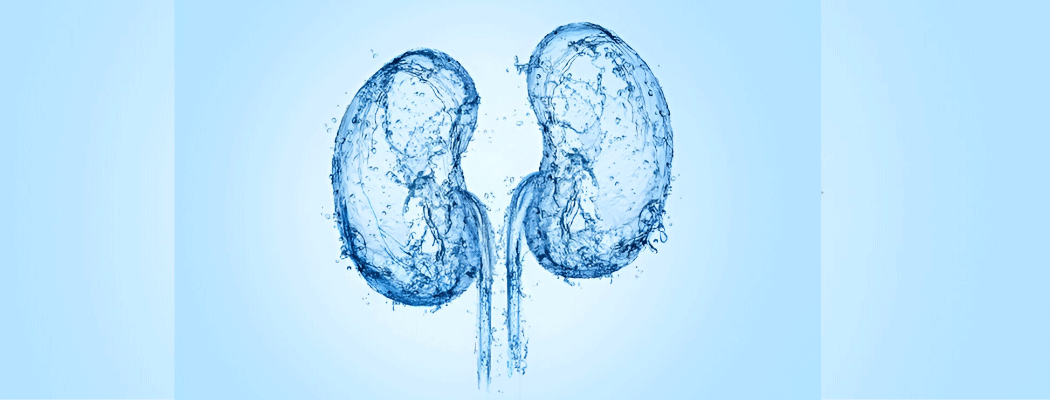
Tuesday, 8 July, 2025
Why Hydration Is Vital for Kidney Function
Water and kidney health have a fundamental relationship. As natural filters, the kidneys remove waste and poisons from the blood. Smooth filtration, electrolyte balance, and blood pressure regulation are all supported by adequate hydration. In short, water is the fuel that drives kidney function. Dehydration increases the risk of developing serious illnesses because it makes it more difficult for the kidneys to eliminate waste.
Water also maintains the ideal concentrations of vitamins and minerals in the body. For instance, potassium and salt levels, which are critical for nerve and muscle function, can be regulated by the kidneys when they are properly hydrated. Dehydration, on the other hand, can cause an imbalance and symptoms such as heart palpitations, fatigue, and confusion.
Recommended Daily Water Intake for Optimal Kidney Health
General Guidelines for Adults
Healthy individuals are recommended to consume two to three liters of water daily. This includes water from drinks and hydrating foods. Water is still the most kidney-friendly beverage. If you're wondering, "is water good for kidneys?" The answer is a yes.
In fact, water helps to produce sufficient urine flow, which immediately benefits in waste removal. By allowing toxic substances to build up in the kidneys, reduced urine flow raises the risk of infection or kidney stones.
Adjustments Based on Climate, Activity, and Health Conditions
More fluids may be required by those who are recovering from illness or living in hot regions, or are very active. Because water requirements change depending on the stage of the disease, patients with renal problems should speak with their doctor. For example, in stage 3 kidney disease water intake should be carefully controlled to avoid fluid excess while yet avoiding dehydration.
Drinking more water is recommended for people who work outside or perform vigorous activities. Sweating depletes body fluids, which need to be replenished to preserve kidney function and vitality.


Consequences of Dehydration on Kidney Health
Increased Risk of Kidney Stones and Infections
One of the major risks of dehydration is the development of stones in the kidneys. Without enough water, minerals in urine concentrate, resulting in the ability to crystallize and form stones. Dehydration also raises the risk of urinary tract infections (UTIs), which might lead to kidney infections. If you're wondering how much water to drink to avoid kidney stones, the majority of specialists advise aiming for at least 2.5 liters per day, unless otherwise instructed.
Potential Progression to Chronic Kidney Disease (CKD)
Chronic dehydration can cause long-term injury, including chronic kidney disease. Recurrent infections, increased waste buildup, and decreased filtration all put stress on the kidneys. If left untreated, this could lead to renal failure. For more context you can read about what kidney failure is.
Long-term reduced fluid consumption has been linked in studies to a progressive deterioration in kidney function. Additionally, dehydration raises the risk of acute kidney damage (AKI), particularly in elderly or hospitalized individuals. Regular episodes of dehydration might harm the kidneys permanently.

Debunking Common Myths About Hydration and Kidney Health
Myth: Drinking Excessive Water Prevents All Kidney Issues
While water is essential, overhydration isn’t a cure-all. Drinking lots of water is good for your kidneys, but excessive amounts can stress them especially in advanced CKD. Always align water intake with your health status and a doctor's advice.
Excess water intake may lead to a condition known as hyponatremia, where sodium levels in the blood drop dangerously low. This can cause confusion, nausea, seizures, and even coma.
Myth: Thirst Is the Only Indicator of Hydration Needs
Thirst is often a late signal of dehydration. A better approach is to track your fluid intake, observe urine color (pale yellow is ideal), and respond to environmental demands.
People with certain conditions, such as diabetes or the elderly, may have impaired thirst mechanisms. Hence, proactively drinking water is important for these groups.
Practical Tips to Maintain Adequate Hydration
Incorporating Hydrating Foods into Your Diet
Include foods rich in water like cucumbers, watermelon, oranges, and soups. These contribute to fluid balance, especially when drinking water feels monotonous.
Fruits like strawberries, cantaloupes, and grapefruits are over 90% water and make excellent additions to a hydration-conscious diet. Smoothies and broths can also boost fluid intake while adding variety.
Establishing a Consistent Hydration Routine
Start your day with a glass of water and space your intake evenly. Contrary to popular belief, drinking water at night is bad for kidneys unless it leads to frequent nighttime urination that disrupts sleep. Still, if you have existing conditions, check with a nephrologist in Bangalore.
Spread your intake across the day rather than gulping down large amounts at once. This supports better absorption and reduces strain on the kidneys.
Many people wonder if cold water is bad for kidneys. Scientifically, there is no evidence that cold water negatively affects kidney function. What matters more is the quality and cleanliness of the water you consume. However, drinking very cold water might slow digestion or cause discomfort in individuals with sensitive teeth. Choose a temperature that feels right for your body.

Set Regular Water Reminders
Use smartphone apps or set hourly reminders to sip water. Small, frequent sips are more effective than large quantities all at once.
Many hydration tracking apps allow users to set goals, track trends, and receive alerts. Investing in such tools can help build a sustainable habit.
Limit Dehydrating Drinks
Caffeinated and sugary drinks can act as diuretics, increasing fluid loss. For drinks for healthy kidneys, stick to water, herbal teas, and in moderation — barley water, which is often recommended due to its diuretic properties and barley water benefits for the kidney include helping flush toxins and reducing inflammation.
Alcohol, sodas, and energy drinks may negatively impact kidney health over time. It’s better to replace these with nutrient-rich fluids or natural beverages.
Carry a Reusable Water Bottle
Having water on hand makes it easier to stay on track. Choose bottles with measurements to track your daily intake.
Some bottles even come with time-marked goals or infusers for adding lemon or mint, making hydration more enjoyable.
Hydrate More When Unwell
Fever, diarrhea, or vomiting lead to fluid loss. Increase water intake during illness unless advised otherwise. For dialysis patients, water limits are strict, so always ask how much water a dialysis patient drink per day to avoid complications.
When unwell, include electrolyte-rich fluids to restore lost minerals. Oral rehydration solutions and clear soups can aid recovery and prevent dehydration-related complications.
Most of them ask us if lemon water is good for kidneys? But In moderation, lemon water is beneficial due to its citrate content, which may help prevent kidney stones. But avoid excessive sugar or salt in preparations.
Lemon juice also promotes urinary citrate levels, which inhibits stone formation. A glass of lemon water in the morning can be a refreshing and kidney-friendly habit.

Conclusion
The bond between water and kidney health is undeniable. Proper hydration supports kidney filtration, prevents complications, and improves overall wellness. Whether you're at risk or managing kidney disease, understanding how much water to drink, making smart drink choices, and avoiding dehydration can help preserve kidney function.
For expert guidance and personalized hydration plans, consult the best hospital for kidney in Bangalore or reach out to an experienced nephrologist in Bangalore.
Be proactive with your health — drink wisely, hydrate consistently, and care for your kidneys daily. If you're unsure about your hydration needs or kidney health, start by learning more about what kidney disease is.
FAQs
1. Is drinking a lot of water good for the kidney?
Yes, staying well-hydrated helps the kidneys flush out toxins and supports overall kidney function. However, excessive water intake can stress the kidneys, especially in those with kidney disease.
2. What are the signs of dehydration I should watch out for?
Common signs include dark yellow urine, dry mouth, fatigue, dizziness, and reduced urine output. Severe dehydration may also cause rapid heartbeat and confusion.
3. Is drinking water enough to prevent kidney stones?
Drinking plenty of water is one of the best ways to prevent kidney stones, as it dilutes urine and reduces the concentration of stone-forming substances. However, dietary and lifestyle changes may also be needed.
4. What drink is good to flush your kidneys?
Water is the best drink to flush your kidneys. Other helpful options include lemon water, cranberry juice (unsweetened), and barley water, all of which support urinary tract health.
5. What Can Kidney Patients Drink Besides Water?
Low-potassium juices, clear soups, and herbal teas are viable alternatives. However, choices must be guided by a doctor. Patients should steer clear of drinks high in sodium, phosphorus, or sugar. Pomegranate juice, cranberry juice (unsweetened), and ginger tea may offer added health benefits, but portion control is essential.