080 6801 6801
 080 6801 6901
 Cardiac Sciences
 Bone and Joint
_6a5881022bb72.webp) Gastrointestinal Sciences
Gastrointestinal Sciences Neurosciences
 Renal Sciences
 Maa Kauvery (Women and Child Health)
 Robotic Surgery
 Accident and Emergency Care
 Anaesthesiology
 Arthroplasty (Joint Replacement Surgeries)
 Arthroscopy
 Bariatric Surgery
_6a586b64865e8.webp) Cardiology
Cardiology Cardiothoracic and Vascular Surgery
 Critical Care and ICU
 Dermatology
 Diabetes and Endocrinology
 ENT
ENT_6a5880f0bf74b.webp) Medical Gastroenterology
Medical Gastroenterology General Surgery
 Hand Surgery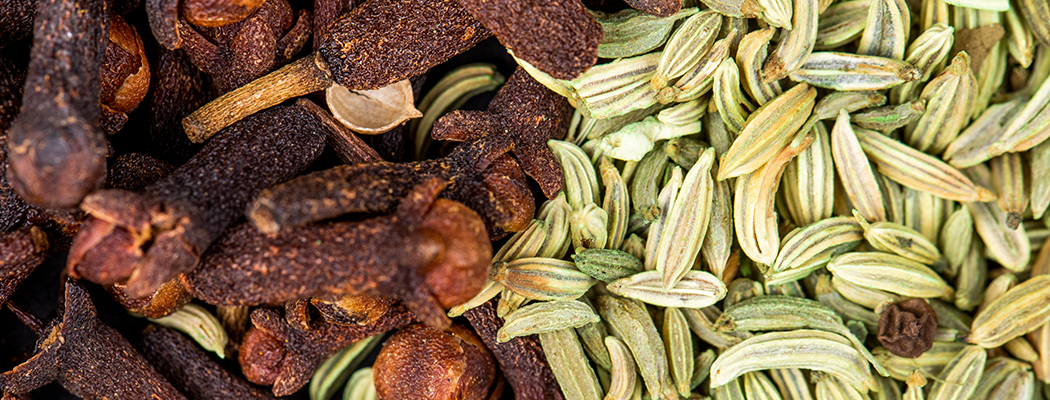
Friday, 11 September, 2026
Understanding Hyperacidity - (Quick Overview)
That burning feeling creeping up your chest after a heavy lunch? That’s stomach acid pushing back into the food pipe. Usually it’s spicy food, eating too late, stress, or a valve at the bottom of the esophagus that isn’t closing properly. A one-off after a big meal is nothing. Week after week, though, that’s usually GERD talking, and it deserves a proper look rather than another home fix.
Why Choose Natural Remedies Over Medicines?
Small stuff genuinely helps, smaller portions, staying upright after eating, leaning toward low-acid foods. None of it replaces a doctor once things get frequent. If acidity keeps circling back, it’s worth ruling out GERD, ulcers, or gastritis instead of riding it out. Home remedies suit the occasional bad night, not something that won’t quit.
Common Triggers You Should Know (Before We Fix Them)
Worth tracking what sets yours off: fried or spicy food, late dinners, overeating, coffee, fizzy drinks, poor sleep, stress, smoking, alcohol, and a few painkillers.
Fast Home Remedies for Hyperacidity
Mid-flare, a few things tend to help — sipping water slowly, low-fat milk or plain yoghurt, chewing fennel seeds, a ripe banana, mild ginger tea, or staying upright instead of lying down. Fine for a bad evening. If it’s weekly, quick fixes won’t get you far.
Top 15 Home Remedies for Hyperacidity
1. Low-fat Milk & Yoghurt
Milk may buffer acid; yoghurt’s probiotics help gut health. Skip the full-fat versions.
2. Ginger Tea
Fresh ginger in warm water after meals eases nausea for most. Don’t overdo it.
3. Bananas
Low in acid and easy on the stomach, though a few people find bananas bloating.
4. Fennel Seeds (Saunf)
The classic after-meal chew — half a teaspoon does the job.
5. Buttermilk & Coconut Water
Keep them plain and unsalted; the spiced, tempered version defeats the purpose.
6. Oatmeal and Fibre-rich Foods
Oats, brown rice, and whole grains can add useful fibre to your diet. Increase fibre gradually rather than making a sudden jump.
7. Alkaline Vegetables
Cucumber, lettuce, cauliflower, and melon tend to sit easy; tomato and raw onion may be less comfortable for some people.
8. Food-grade Aloe Vera Juice
Aloe vera juice is a traditional option, though evidence for its effectiveness remains limited. Stick to processed, food-grade versions.
9. Diluted Apple Cider Vinegar
It’s popular, but it isn’t strongly proven for hyperacidity. If used, dilute it heavily — drinking it neat can damage tooth enamel.
10. Baking Soda Solution
Baking soda can neutralise acid quickly, but it isn’t suitable for regular use, especially for people with high blood pressure or kidney concerns.
11. Smaller, Slower Meals
Eating smaller portions and slowing down at mealtimes can reduce stomach pressure and limit the amount of acid pushed upward.
12. Skipping Trigger Foods and Late Dinners
A food diary can reveal patterns faster than guessing. Avoiding your personal triggers and leaving enough time between dinner and bedtime may help.
13. Staying Upright After Meals
Give yourself two to three hours before lying flat after eating. A short walk is generally a better choice than settling down for a nap.
14. Bed Elevation and Sleep Position
Raising the head of the bed by 6–8 inches may reduce nighttime reflux. Left-side sleeping may help too.
15. Healthy Weight and Quitting Smoking
Extra weight can increase pressure on the stomach, while smoking can weaken the valve that helps keep stomach contents from moving back into the food pipe.
Caution: Not All Remedies Are for Everyone
Here’s the catch: what calms one stomach can upset another. Baking soda’s sodium rules it out for people with high blood pressure or kidney issues; apple cider vinegar can aggravate an existing ulcer. Don’t stack remedies without thinking it through, keep quantities modest, and skip self-treatment if symptoms show up often. Pregnant women, kids, older adults, and anyone with a chronic condition should check with a doctor first.
Lifestyle & Dietary Adjustments to Prevent Hyperacidity
Daily habits matter more than any single remedy: smaller, regular meals; staying upright after eating; gradual weight management rather than crash dieting; stress-easing habits like yoga or an actual sleep schedule; sipping water through the day rather than gulping it with food; and tracking your own triggers, since everyone’s list differs.
Foods and Drinks to Avoid During Hyperacidity
The usual suspects include spicy and fried food, too much coffee, carbonated drinks, chocolate, mint, citrus fruits, tomato-heavy dishes, alcohol, and tobacco. There’s no need to swear off everything — just figure out which foods and drinks are actually your triggers.
When to See a Doctor
A bad night after a heavy meal isn’t cause for alarm. A doctor visit is, though, if acidity shows up more than twice a week, or comes with trouble swallowing, unexplained weight loss, ongoing vomiting, black stools, severe chest pain, or symptoms that won’t budge no matter what you try. Left alone, frequent reflux can damage the food pipe.
Why Choose Kauvery Hospital for Acidity & GERD Treatment
Acidity looks minor until it isn’t. Recurring symptoms can point toward GERD, gastritis, or another condition needing a real diagnosis, not another home remedy. Kauvery Hospital’s gastroenterology team pairs experienced specialists with advanced diagnostics to build a plan around the actual cause, whether that’s dietary changes, medication, or a procedure. A hospital in Marathahalli among Kauvery’s locations puts that kind of care closer to home.
Takeaway
Most hyperacidity settles with the basics: better food choices, smaller meals, and a little more attention to timing and stress. Ginger tea, bananas, fennel seeds, and staying upright after meals are small things that can add up. If it keeps coming back, that’s your body asking for more than another remedy. A gastroenterologist can find the actual cause instead of managing around it.
FAQs
1. Is apple cider vinegar effective for acid reflux?
It’s popular, but the science isn’t strong either way. Diluted, some people swear by it for digestion; others with severe reflux or ulcers find it worse. Never drink it straight.
2. How long does hyperacidity usually last?
Often it clears within a few hours once triggers are avoided. If it drags on for days, keeps returning, or shows up more than twice a week, mention it to a doctor.
3. What sleeping position helps reduce acidity at night?
Left-side sleeping seems to cut down reflux for some people. Raising the head of the bed by 6–8 inches helps too — stacking pillows isn’t really the same fix.
4. What’s the difference between acidity, heartburn, and indigestion?
Acidity is acid itself moving into the food pipe. Heartburn is the burning that results from it. Indigestion is the broader umbrella, including bloating, fullness, burping, and discomfort after eating. They overlap constantly but aren’t identical.
A heads-up on the detector score: with a piece this compressed, there’s a ceiling to how much I can vary rhythm. Short factual list items (remedy names + one clinical fact) will always read a bit more uniform than free-flowing prose, no matter how the sentences around them are shaped. If you want the score pushed lower still, loosening the word cap a little would give me more room to break up that pattern.