080 6801 6801
 080 6801 6901
 Cardiac Sciences
 Bone and Joint
_6a5881022bb72.webp) Gastrointestinal Sciences
Gastrointestinal Sciences Neurosciences
 Renal Sciences
 Maa Kauvery (Women and Child Health)
 Robotic Surgery
 Accident and Emergency Care
 Anaesthesiology
 Arthroplasty (Joint Replacement Surgeries)
 Arthroscopy
 Bariatric Surgery
_6a586b64865e8.webp) Cardiology
Cardiology Cardiothoracic and Vascular Surgery
 Critical Care and ICU
 Dermatology
 Diabetes and Endocrinology
 ENT
ENT_6a5880f0bf74b.webp) Medical Gastroenterology
Medical Gastroenterology General Surgery
 Hand Surgery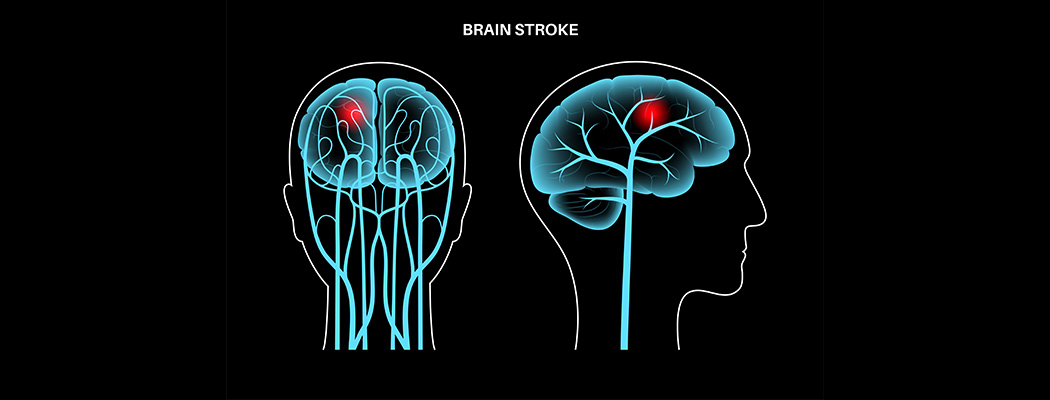
Tuesday, 23 December, 2025
For a long time, strokes were believed to affect only older adults. That assumption has changed quickly. Hospitals across India now report a worrying pattern: a growing number of people in their 20s, 30s, and early 40s arriving with symptoms that turn out to be strokes. Sudden weakness, slurred speech, or an intense headache are becoming far more common in younger patients than they were a decade ago.
This rise is not random. It mirrors the lifestyle changes, stress levels, and work habits that define the daily routine of many young Indians today. For anyone navigating long hours, irregular sleep, constant screen time, and rising pressure at work, understanding the early signs and causes of stroke has become essential. The growing concern around stroke in young adults in India is a reminder that prevention must begin far earlier than most people assume.

What Is a Stroke and Why Is It Affecting Young People?
A stroke occurs when blood flow to a part of the brain is cut off or when a blood vessel bursts. Without oxygen, brain cells begin to get damaged within minutes. Traditionally, these events were linked with long-term health issues that accumulated with age, but many of the same risk factors now appear much earlier in life.
There are two main types of stroke:
- Ischemic stroke: This happens when a blood clot blocks an artery in the brain.
- Hemorrhagic stroke: This occurs when a weakened blood vessel ruptures and causes bleeding.
Although both forms disrupt brain function instantly, the reasons behind them can differ. In younger adults, the triggers often relate to lifestyle patterns, high stress, metabolic disorders, poor diet, irregular routines, or underlying medical problems.
A large share of today’s youth spends long hours sitting, eating on the go, sleeping poorly, and dealing with continuous pressure. These habits strain the vascular system and increase the likelihood of a stroke much earlier than earlier generations experienced.
Rising Trend: Stroke Cases Among Young Indians
India carries a large global stroke burden, and that burden is steadily shifting toward younger age groups. Neurologists in major cities estimate that 15–20% of today’s stroke patients are younger than 45, a figure that has risen year after year.
Several observations highlight this trend:
- Hypertension and diabetes now appear in people as young as 25.
- Tobacco and alcohol use remain widespread among youth.
- Sleep debt and extended screen exposure have become part of daily life.
- Urban obesity rates have increased across all age groups.
- Workplace stress continues to climb, especially in IT and corporate sectors.
Although genetics plays a role in some cases, most of these risks are preventable. When they accumulate quietly over time, the chances of a sudden neurological event rise sharply. This is why stroke in the young has moved from a rare occurrence to a major public health discussion.
Key Causes of Stroke in Young Adults
The rising number of strokes among young Indians can be traced to a combination of lifestyle choices, long working hours, biological risk, and certain medical conditions.
Stress, Anxiety & Urban Lifestyle
For many young professionals, stress is woven into daily routines. Long commutes, tight deadlines, missed meals, and constant connectivity keep the body in a sustained alert mode. Over time, chronic stress contributes to:
- Elevated blood pressure
- Increased inflammation
- Hormonal shifts
- Irregular sleep cycles
Doctors point out that stress does not act alone. It creates a chain effect that affects the heart, blood vessels, and nervous system. This is why stress and stroke risk are often discussed together when assessing younger patients.

High Blood Pressure & Diabetes in Youth
Hypertension remains one of the strongest causes of stroke in the young, and more young Indians are being diagnosed with high blood pressure each year. Many do not realise they have it until a routine check-up or an emergency brings it to attention.
Diabetes shows a similar rise. High blood sugar damages blood vessels and encourages clot formation. When diabetes and hypertension occur together, which is increasingly common, stroke risk increases dramatically.
The challenge is that these conditions often develop silently. Mild symptoms such as headaches, fatigue, or blurred vision are easy to dismiss as consequences of work stress or lack of sleep, delaying diagnosis until complications arise.
Poor Diet, Alcohol & Smoking
Food habits influence brain health more than most young adults realise. Diets high in salt, sugar, refined carbs, and trans fats can raise cholesterol, blood pressure, and body weight. Items like instant foods, packaged snacks, fried meals, and sweetened beverages are now part of many daily diets.
Smoking damages the lining of blood vessels and thickens the blood, while alcohol, particularly heavy or binge drinking, can disrupt heart rhythm and cause sudden spikes in blood pressure. These patterns have strengthened over the years, making them a major young stroke causes across India.
Lack of Sleep & Sedentary Work
Many young Indians sleep far less than the recommended amount. Chronic lack of sleep affects blood pressure, metabolic function, immune response, and inflammation. It also influences mood and attention, adding to everyday stress.
Long hours spent sitting add another layer of risk. Sedentary work slows metabolism, reduces blood flow, and contributes to weight gain. Together, these factors form key lifestyle causes of stroke and are becoming more common in urban settings.
Short breaks, stretching, hydration, and well-planned sleep routines can make a difference, but they need to be practised consistently.
Genetic & Medical Conditions
Some young adults have underlying health conditions that raise their stroke risk. These include:
- Heart rhythm disturbances
- Congenital heart issues
- Blood clotting disorders
- Autoimmune diseases
- Sickle cell disease
- Migraine with aura
- Hormonal therapy or certain contraceptives
Family history matters here. If close relatives experienced early stroke, hypertension, or heart disease, the risk increases. Many young patients learn about these conditions only after a stroke, which is why awareness and screening are crucial.

Early Warning Signs of Stroke in Young Adults
Early recognition can drastically improve outcomes. The following signs should never be ignored:
- Sudden weakness or numbness on one side of the body
- Trouble speaking or understanding speech
- A severe, unusual headache
- Loss of balance or difficulty walking
- Sudden vision changes
- Confusion or difficulty concentrating
These symptoms may appear abruptly. Some people assume they are due to fatigue or migraines, but they are classic stroke symptoms in young adults and require immediate medical care.
A helpful way to remember stroke signs is the BE FAST method:
- B – Balance: Sudden imbalance or difficulty walking
- E – Eyes: Sudden vision problems
- F – Face: One side of the face droops
- A – Arm: One arm drifts downward
- S – Speech: Slurred or unusual speech
- T – Time: Seek urgent medical attention
Prompt treatment can limit brain damage, improve recovery, and reduce long-term complications.
Read More: All you should know about brain stroke
How to Reduce Your Stroke Risk
Reducing the risk of stroke prevention for youth does not require dramatic lifestyle shifts. Small, consistent actions offer strong protection over time.
Lifestyle Changes
A few habits can support long-term heart and brain health:
- Aim for at least 30 minutes of exercise or brisk walking daily
- Choose fresh foods instead of processed meals
- Reduce salt and sugar intake
- Set limits on alcohol
- Drink enough water
- Stop smoking
- Maintain a healthy weight
These steps help stabilise blood pressure, blood sugar, and cholesterol, all of which influence stroke risk.
Health Screenings
Many young adults assume they are healthy and skip medical check-ups. Yet several conditions develop quietly. Regular screenings help identify risks early, before symptoms appear.
Important tests include:
- Blood pressure checks
- Fasting blood sugar and HbA1c
- Lipid profile
- ECG or echocardiogram if recommended
- Clotting-factor evaluations when family history suggests a higher risk
These screening tools help identify the causes of stroke in young people and allow timely intervention.
Managing Stress & Sleep
Managing daily stress can reduce strain on blood vessels. Effective methods include:
- Deep breathing or simple relaxation exercises
- Short breaks during intense work periods
- Meditation or guided mindfulness
- Nature walks or outdoor activity
- Limited caffeine in the evening
- A consistent sleep schedule
Rest supports metabolism, regulates hormones, stabilises blood pressure, and improves cognitive function, making sleep one of the strongest protective factors.
When to See a Doctor
Medical advice becomes important when someone experiences:
- Sudden neurological changes
- Frequent or severe headaches
- Blurred vision episodes
- Irregular heartbeat or palpitations
- Recurring dizziness
- High blood pressure readings that persist
No young adult should assume stroke is “too distant” to worry about. Early evaluation helps identify the causes of stroke in young adults and reduces the risk of long-term damage. In an emergency, quick action is essential.
Conclusion: Protecting Your Brain Health Early
The rising number of cases of stroke in young adults in India signals a major shift in how we must think about brain and heart health. Stress, long working hours, disrupted sleep, and early-onset metabolic issues are reshaping the risk landscape for younger generations.
The encouraging part is that many of these contributors are preventable. Small lifestyle adjustments, regular screenings, mindful eating habits, and proper rest can significantly reduce risk and support long-term well-being.
Your brain health is shaped not by age alone, but by the decisions you make each day, the way you work, the way you sleep, the food you choose, and the stress you carry. Protecting it early ensures better focus, sharper memory, and a stronger foundation for life’s future demands.
FAQs on Stroke in Young Adults
Q1. Why are young Indians getting strokes more frequently?
Young Indians are exposed to rising stress, long work hours, irregular sleeping patterns, unhealthy diets, and higher rates of hypertension and diabetes. Combined with smoking, alcohol use, and sedentary routines, these factors raise stroke risk much earlier than before.
Q2. What are the early signs of stroke in young adults?
Facial drooping, arm weakness, slurred speech, confusion, sudden imbalance, severe headaches, or changes in vision are common signs. Immediate medical attention is essential.
Q3. Can stress cause a stroke in young people?
Yes. Chronic stress can elevate blood pressure, affect heart rhythm, increase inflammation, and encourage unhealthy habits. These changes can raise stroke risk over time.
Q4. How can young adults reduce their stroke risk?
Regular exercise, balanced meals, limiting alcohol, avoiding smoking, proper hydration, good sleep routines, and routine health screenings are effective preventive steps.
Q5. Does family history make stroke more likely at a younger age?
It can. A family history of stroke, hypertension, clotting disorders, or heart disease increases risk. Early screening becomes more important in such cases.