080 6801 6801
 080 6801 6901
 Cardiac Sciences
 Bone and Joint
_6a5881022bb72.webp) Gastrointestinal Sciences
Gastrointestinal Sciences Neurosciences
 Renal Sciences
 Maa Kauvery (Women and Child Health)
 Robotic Surgery
 Accident and Emergency Care
 Anaesthesiology
 Arthroplasty (Joint Replacement Surgeries)
 Arthroscopy
 Bariatric Surgery
_6a586b64865e8.webp) Cardiology
Cardiology Cardiothoracic and Vascular Surgery
 Critical Care and ICU
 Dermatology
 Diabetes and Endocrinology
 ENT
ENT_6a5880f0bf74b.webp) Medical Gastroenterology
Medical Gastroenterology General Surgery
 Hand Surgery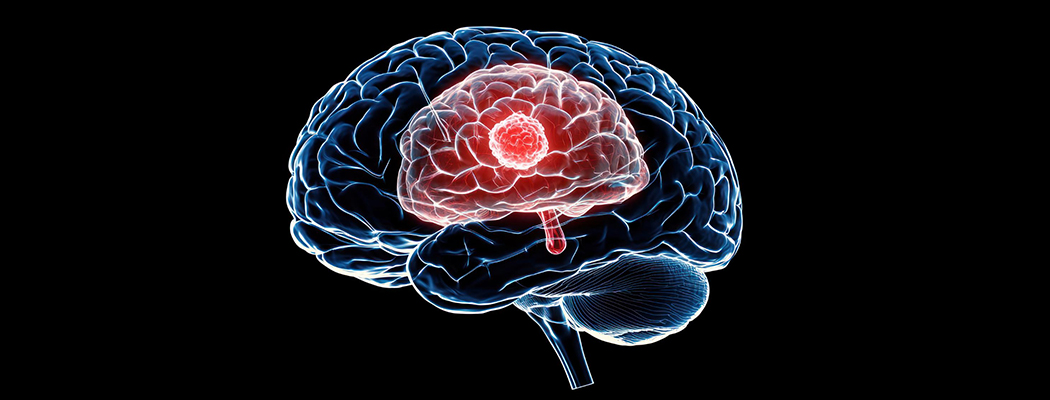
Thursday, 19 February, 2026
Most people don’t understand brain tumours the first time they read about them. Not the second time either and try to ignore the symptoms of the brain tumor.
What sticks is usually one word from a scan report. Sometimes two. Everything else fades behind the sound of someone clearing their throat or saying, “We’ll talk through this step by step.”
People don’t read carefully when fear is present. They skim. They jump ahead. They reread the same sentence because one phrase feels heavier than the rest. For many patients and families, the first question is simple but urgent: What kind of tumour is this, and what does it mean for me?
This guide follows that reality and breaks down the brain tumor types in a simplified form.
What Is a Brain Tumour?
A brain tumour refers to cells growing where growth causes problems.
Some tumours start inside the brain. Others reach the brain after forming somewhere else in the body. Doctors treat those two paths differently. Patients often learn the difference after the shock settles.
Speed gets mentioned a lot. Space matters more. The brain has nowhere to move. Even slow growth creates pressure. Signals get disrupted. Symptoms show up in ways that don’t always match the scan.
Classification helps doctors narrow options. It doesn’t explain how a person will feel next month.
Benign vs Malignant Brain Tumours
These labels sound clear. They rarely behave that way.
Benign brain tumours
Benign tumours usually grow slowly and appear organised on imaging. That description comforts people. Sometimes it shouldn’t.
A benign tumour pressing against speech, vision, or movement centres still causes life-altering symptoms. Seizures don’t care about terminology. Neither does memory loss. Benign describes cell behaviour, not lived experience.
Malignant brain tumours
Malignant tumours grow faster and behave less predictably. They often spread into nearby brain tissue, which limits surgical removal. They usually stay within the nervous system rather than spreading throughout the body.
The urgency comes from change. Symptoms shift quickly. Decisions arrive sooner than expected. In real treatment planning, behaviour outweighs labels.
Common Types of Brain Tumours
Tumours are grouped by the cells they come from. The system helps guide care. It doesn’t lock outcomes in place.
Gliomas
Gliomas develop from glial cells, which support nerve cells. Some remain quiet for years. Others progress fast. Glioblastoma sits at the aggressive end, growing quickly and blending into surrounding tissue.
One detail patients often hear late: two gliomas with the same name often behave nothing alike. That uncertainty frustrates people. Doctors live with it daily.
Meningiomas
Meningiomas arise from the layers covering the brain.
Most fall into the benign category. Many show up by accident during scans done for unrelated reasons. Some never cause trouble. Others press on nearby structures and force decisions that feel sudden, even when the growth took years.
Pituitary tumours
Pituitary tumours form near the gland that controls hormones. Symptoms don’t always feel neurological. Weight changes. Fatigue. Menstrual disruption. Fertility concerns. Vision issues tend to appear later.
Diagnosis sometimes drags on because the signs don’t point clearly to the brain.
Acoustic neuromas
Acoustic neuromas grow along the nerve involved in hearing and balance. They usually grow slowly. Early signs sound easy to dismiss. Ringing in one ear. Slight hearing loss. Balance problems show up later.
Many people adjust long before they question the cause.
Metastatic brain tumours
These tumours begin elsewhere and spread to the brain.
In adults, this type appears more often than primary malignant brain tumours. Lung and breast cancers account for many cases. Treatment decisions depend heavily on the original cancer, not only the brain findings.
Overview of Common Brain Tumours
| Tumour Type | Origin | Typical Behaviour |
|---|---|---|
| Glioma / Glioblastoma | Glial support cells | Often malignant, variable |
| Meningioma | Brain coverings | Usually benign |
| Pituitary tumour | Pituitary gland | Benign, hormone effects |
| Acoustic neuroma | Cranial nerve sheath | Slow-growing, benign |
| Metastatic tumour | Spread from other organs | Malignant |
Symptoms of Brain Tumours
Symptoms depend on location, growth pattern, and swelling. Early signs rarely announce themselves clearly.
Headaches that don’t follow familiar patterns. Seizures without history. Vision or hearing changes. Weakness. Personality shifts others notice first. Hormone-related tumours often show fatigue or weight changes long before neurological symptoms appear.
People often explain these signs away until something forces attention.
How Brain Tumours Are Diagnosed
Brain Tumor diagnosis usually starts with imaging. MRI scans offer the clearest detail. Imaging alone doesn’t always explain what a tumour represents. Biopsy helps when treatment decisions depend on tumour grade or cellular features.
Molecular testing adds another layer of information. It still leaves gaps. Medicine doesn’t remove uncertainty. It narrows it.
Treatment Options for Brain Tumours
No single plan fits every case. Surgery, radiation, medication, targeted therapy, or observation all enter the discussion. Sometimes more than one. Sometimes none right away.
Waiting feels harder than acting, even when waiting makes sense.
At Kauvery Hospitals Bangalore, complex cases undergo multidisciplinary review across Neurosciences specialties. Precision approaches, including robotic support, assist when tumours sit close to critical brain structures.
Treatment decisions balance risk, benefit, and quality of life. Not every choice feels satisfying. Some feel necessary rather than ideal.
When Should You See a Specialist?
New seizures, persistent headaches, or sudden neurological changes need evaluation. People with cancer elsewhere should seek assessment if neurological symptoms appear, even when subtle.
Second opinions are reasonable when scans raise uncertainty around brain tumour management. Clarity often comes in stages.
FAQs
1. What are the most common brain tumour types?
Gliomas, meningiomas, pituitary tumours, acoustic neuromas, and metastatic tumours.
2. Are all brain tumours cancerous?
No. Many remain benign, though symptoms still disrupt normal life.
3. What are the early symptoms of a brain tumour?
Unusual headaches, seizures, vision changes, or subtle cognitive shifts.
4. How is a brain tumour diagnosed?
MRI imaging forms the foundation. Biopsy follows when clarity matters for treatment.
5. Can brain tumours be treated successfully?
Many do. Outcomes vary widely based on type, location, and timing.