080 6801 6801
 080 6801 6901
 Cardiac Sciences
 Bone and Joint
_6a5881022bb72.webp) Gastrointestinal Sciences
Gastrointestinal Sciences Neurosciences
 Renal Sciences
 Maa Kauvery (Women and Child Health)
 Robotic Surgery
 Accident and Emergency Care
 Anaesthesiology
 Arthroplasty (Joint Replacement Surgeries)
 Arthroscopy
 Bariatric Surgery
_6a586b64865e8.webp) Cardiology
Cardiology Cardiothoracic and Vascular Surgery
 Critical Care and ICU
 Dermatology
 Diabetes and Endocrinology
 ENT
ENT_6a5880f0bf74b.webp) Medical Gastroenterology
Medical Gastroenterology General Surgery
 Hand Surgery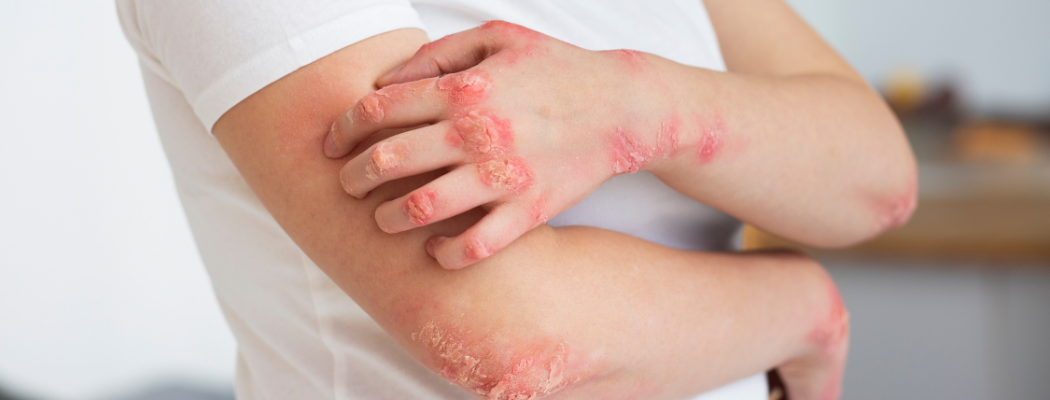
Thursday, 19 February, 2026
If you’ve ever lived through a long, sticky summer or spent years in a humid city, you already know the feeling, clothes that never quite dry, skin that always feels a little damp, and that constant fear of itching where you really don’t want it. Fungal infections love this kind of weather. Warmth and moisture are basically their comfort zone.
Most people only start thinking about prevention after they’ve had an infection once, and realize how stubborn, annoying, and slow to leave it can be. Creams help, yes. But avoiding the problem in the first place? That saves a lot of time, money, and mental peace.
This isn’t about being obsessive. It’s about small habits that quietly protect you every day.
Why Prevention Is Important for Fungal Infections
Fungal infections rarely feel “serious” at first. They start small, some redness, mild itching, a patch that just looks… off. So people ignore it. A week later, it spread. A month later, it’s back again.
Once a fungus settles in, it can be surprisingly loyal. Even after treatment, it sometimes hangs around in clothes, shoes, towels, or on skin that never fully dried. That’s why prevention of fungal infection matters just as much as treatment, maybe more.
In humid climates, prevention isn’t optional. It’s basic survival for your skin.
Daily Hygiene Practices to Prevent Fungal Infections
Keeping Skin Clean and Dry
This sounds obvious, but it’s harder than it looks, especially when you sweat just by stepping outside.
Showering daily helps, but drying properly matters even more. Most fungal infections start in folds: under breasts, between toes, in the groin, under the belly, behind ears. These are the places people rush through with a towel.
Take an extra minute. Pat dry. If needed, use a fan or cool hair dryer setting for deep folds. It may feel silly, but it works.
Some people in very humid areas even keep a separate towel just for drying sweat during the day. Not glamorous, but practical.
Choosing Breathable Clothing
Tight, synthetic clothes trap sweat. They look nice, but they turn your skin into a greenhouse for fungus.
If you’re serious about how to prevent fungal infection, start with your wardrobe:
- Prefer cotton, linen, bamboo fabrics
- Avoid wearing the same sweaty clothes all day
- Change underwear if it gets damp
- Let shoes air out before wearing them again
Wearing yesterday’s slightly damp shoes is like inviting fungus back for dinner.
Proper Foot and Nail Care
Feet are common victims. They stay trapped in socks and shoes for hours, often wet with sweat.
A few habits help a lot:
- Wash feet daily, including between toes
- Dry them fully before wearing socks
- Change socks if they get wet
- Don’t share nail cutters or towels
- Keep nails short and clean
Toenail fungus, once it starts, can take months to treat. Prevention here is truly worth the effort.
Preventing Fungal Infections at Home and in Public Places
Your home can quietly support fungus if you’re not careful, especially bathrooms and laundry areas.
At home:
- Dry towels in sunlight if possible
- Don’t pile wet clothes in a corner
- Clean bathroom floors regularly
- Avoid sharing towels, socks, or footwear
In public places:
- Wear slippers in common bathrooms
- Don’t sit directly on wet gym benches
- Avoid trying shoes barefoot in stores
- Use your own mat in yoga or gym classes
Public showers and swimming pools are common places where fungus travels from one person to another, often without anyone realizing it.
Tips to Prevent Recurring Fungal Infections
Some people feel unlucky: “Why does it keep coming back to me?”
It’s usually not bad luck, it’s hidden habits.
If you’ve had repeat infections, check for these patterns:
- Reusing old slippers or shoes without cleaning
- Wearing the same bra or underwear too many days in a row
- Not washing towels frequently
- Stopping medicine too early
- Leaving skin damp after bathing
Recurring fungal infection prevention often means breaking one small routine that’s quietly feeding the problem.
Also, if you sweat a lot or have conditions like diabetes, your risk may naturally be higher. That doesn’t mean infection is inevitable, but it does mean you have to be more consistent than average.
Food to Prevent Fungal Infection: Does Diet Matter?
Food alone won’t stop fungus. But it can influence how well your body handles it.
Some foods that may support skin health and immunity include:
- Curd and yogurt with natural probiotics
- Garlic, known for mild antifungal properties
- Green leafy vegetables
- Nuts and seeds
- Fruits rich in vitamin C
At the same time, very high sugar intake may support fungal growth, especially in people prone to infections. Cutting back doesn’t cure infections, but it may make your body less welcoming to them.
Think of food as support, not a replacement for hygiene.
When to See a Doctor Despite Prevention
Prevention works most of the time. But not always.
You should consult a dermatologist if:
- The infection doesn’t improve after 1–2 weeks of treatment
- It keeps coming back
- Nails or scalp are involved
- There is pain, swelling, or pus
- You have diabetes or weak immunity
Some infections look fungal but aren’t. Treating the wrong condition only delays real healing.
Conclusion
Preventing fungal infections isn’t about being perfect. It’s about being aware of sweat, damp clothes, shared spaces, and small habits that repeat every day.
In humid climates especially, skin needs help staying dry and clean. A little attention, changing clothes, drying properly, cleaning shoes, not sharing towels, goes a long way.
Once you’ve dealt with a stubborn fungal infection, you usually understand this truth very clearly: it’s much easier to stop fungus from arriving than to convince it to leave.
FAQs
How can I prevent fungal infections naturally?
By keeping skin clean and dry, wearing breathable clothes, avoiding shared personal items, and maintaining good hygiene daily.
Why do fungal infections keep coming back?
They often return because of damp clothes, reused towels, unclean shoes, or stopping treatment too early.
Are home remedies enough to prevent fungal infections?
They may help support hygiene, but they can’t replace proper cleaning, drying, and medical treatment when needed.
Can hygiene alone stop fungal infections?
Hygiene is the most important part of prevention, but sometimes medical treatment.