080 6801 6801
 080 6801 6901
 Cardiac Sciences
 Bone and Joint
_6a5881022bb72.webp) Gastrointestinal Sciences
Gastrointestinal Sciences Neurosciences
 Renal Sciences
 Maa Kauvery (Women and Child Health)
 Robotic Surgery
 Accident and Emergency Care
 Anaesthesiology
 Arthroplasty (Joint Replacement Surgeries)
 Arthroscopy
 Bariatric Surgery
_6a586b64865e8.webp) Cardiology
Cardiology Cardiothoracic and Vascular Surgery
 Critical Care and ICU
 Dermatology
 Diabetes and Endocrinology
 ENT
ENT_6a5880f0bf74b.webp) Medical Gastroenterology
Medical Gastroenterology General Surgery
 Hand Surgery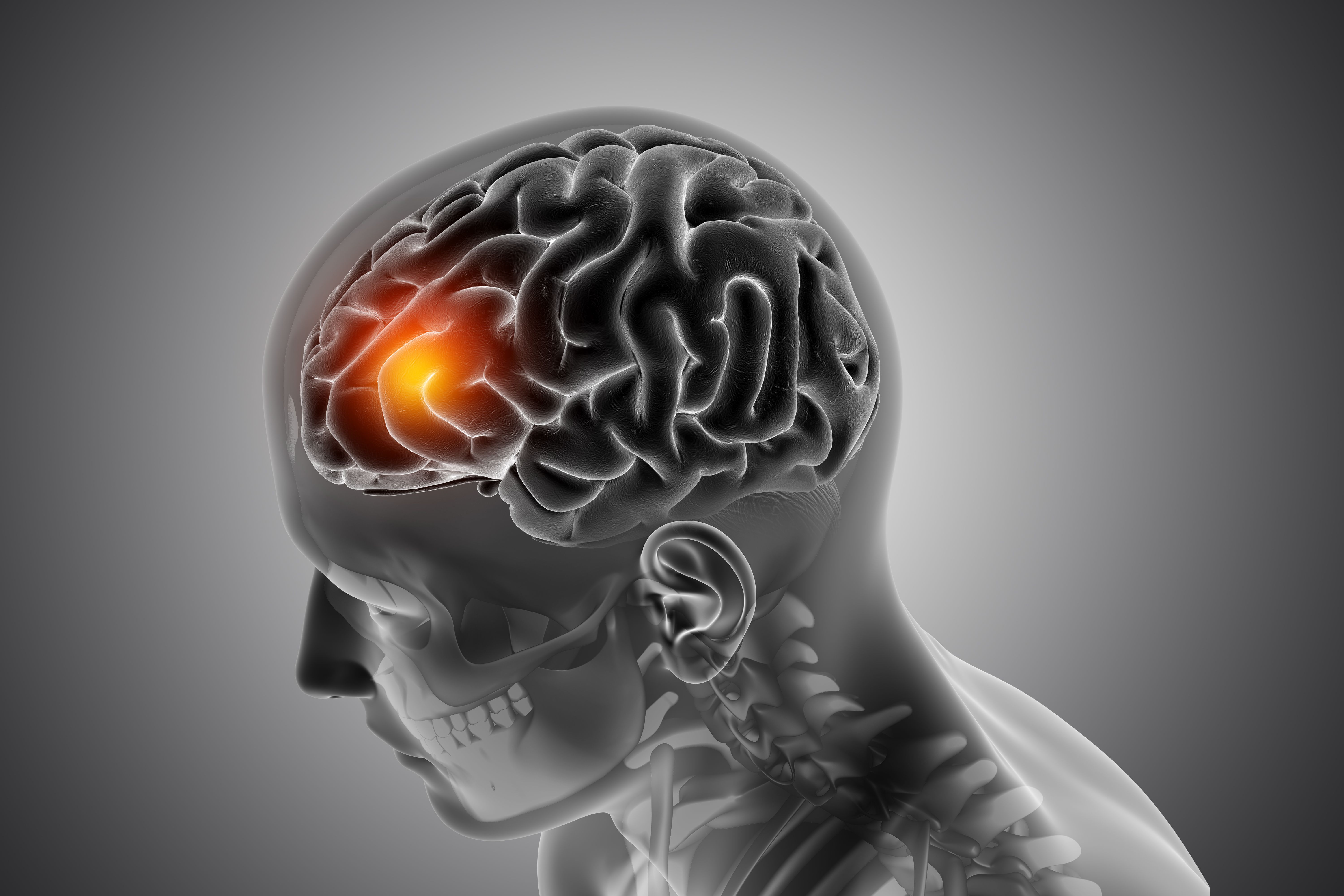
Wednesday, 18 February, 2026
A stroke often arrives without warning. One moment you feel fine, the next your brain loses blood supply and nerve cells start shutting down. People often picture a dramatic collapse, yet many strokes start quietly. No sharp pain. No dramatic episode. Just subtle shifts you might brush aside. That's why many doctors call stroke a silent brain attack.
This guide breaks down what happens inside the brain, how to spot early signs, and what you can do to lower your risk long before an emergency hits.
What Is a Stroke?
A stroke happens when blood flow to a part of the brain stops or drops so sharply that nerve cells start dying. Since these cells control speech, movement, memory, and countless other tasks, even a short pause in oxygen brings serious damage.
Some strokes bring loud, visible symptoms. Others slip by with signs so small they feel like stress, fatigue, or "a bad day." Both forms demand attention.
Why It's Called a "Silent Brain Attack"
People think that a heart attack is an emergency, but in actual stroke it is also the same. The only difference, many strokes don't announce themselves the way we expect.
Three reasons this "silent" label keeps coming up:
- The brain can't feel pain the way other organs do, so damage builds quietly.
- Mild symptoms blend into normal life, momentary confusion, clumsiness, a slight vision change.
- Damage stays hidden until a scan shows old injuries you never knew happened.
Many adults learn about an old, unnoticed stroke during a routine brain scan years later. By then, the harm is done.
Types of Stroke
Ischemic Stroke
This is the most common type. A clot blocks blood flow inside a brain artery. The blockage builds over time from plaque or appears suddenly when a clot travels from elsewhere in the body.
Hemorrhagic Stroke
A weakened blood vessel bursts and spills blood into surrounding brain tissue. High blood pressure is the leading cause of these bleeds.
Transient Ischemic Attack (Mini Stroke)
A TIA works like a short preview of a larger stroke. Blood flow drops briefly then returns, so symptoms fade within minutes. A TIA is a warning that another, more dangerous stroke forms unless you act fast.
What Happens to the Brain During a Stroke?
Once blood flow stops, oxygen drops. Nerve cells stop firing. Nearby tissue starts to shut down. Every minute counts because the brain works through a delicate network. When one area fails, connected functions collapse too. That's why speech slurs, the face droops, or one side of the body loses strength.
Early Warning Signs You Should Never Ignore
Some signals are sharp and sudden. Others barely catch your attention.
FAST Stroke Symptoms
Remember the FAST rule:
- Face: One side sags when smiling.
- Arms: One arm loses strength or drifts down when raised.
- Speech: Slurred words or trouble forming sentences.
- Time: Get medical help right away.
Hidden / Silent Stroke Symptoms
A silent stroke leaves lighter marks, yet the damage grows with each event. Watch for:
- Sudden clumsiness or imbalance
- Blurred or double vision
- Brief confusion or trouble focusing
- A moment of numbness or weakness in the face or limbs
- Short memory lapses that feel unusual
- Mild trouble finding words
These signs often pass quickly, so people move on without thinking twice. That's where the danger lies.
Major Causes & Risk Factors
Lifestyle Causes
- Long hours of sitting
- Smoking
- Heavy alcohol use
- Diets high in salt, sugar, or processed food
Medical Conditions
- High blood pressure
- Diabetes
- High cholesterol
- Heart rhythm problems like atrial fibrillation
- Obesity
Genetic Factors
Family history plays a strong role. If parents or siblings have had a stroke, your risk rises even with a healthy lifestyle.
Immediate Emergency Response
FAST Action Steps
If someone shows even a hint of stroke symptoms:
- Call emergency care right away.
- Note the time symptoms started.
- Keep the person calm and seated.
- Don't give food, drinks, or medication unless advised by doctors.
Why Every Minute Matters
Brain tissue dies quickly. Early treatment breaks clots, reduces bleeding, and protects healthy tissue. Delayed care brings long-term disability or worse.
Prevention & Brain Health Tips
You can lower your stroke risk far more than you think. Small habits stack up and protect you over the long run.
Diet
Choose whole foods. Focus on vegetables, fruit, lean proteins, nuts, seeds, and whole grains. Cut down on excess salt, added sugar, and packaged snacks.
Exercise
Aim for steady movement during the day. Even 25–30 minutes of brisk walking protects blood vessels and strengthens the heart. Break long sitting time with short walk breaks.
Stress & Sleep
Chronic stress keeps blood pressure high. Get small pockets of rest into your day, breathing exercises, stretching, or short breaks help. Sleep keeps the brain in repair mode, so aim for steady, consistent hours.
Regular Health Check-ups
Measure blood pressure, blood sugar, and cholesterol regularly. Early treatment prevents long-term damage.
When to Screen for Stroke Risk
Screening helps adults who fall into higher-risk groups:
- Adults with hypertension or diabetes
- People with a family history of stroke
- Those with heart rhythm issues
- Adults over 50
- Sedentary workers with high stress
A brain scan or carotid artery study finds early signs of trouble before symptoms begin.
Conclusion: Protecting Your Brain Health Before It's Too Late
A stroke doesn't always arrive with a dramatic collapse. Many start quietly. Learning the warning signs, keeping an eye on your daily habits, and responding to symptoms fast gives you your best chance at a healthy brain long into the future. Early action saves memory, mobility, and quality of life.
FAQs
Why is a stroke called a silent brain attack?
Because many strokes start with mild, easy-to-miss signals. Damage builds without pain, so people don't realise something serious has happened.
What are the early signs of a stroke?
Facial drooping, arm weakness, speech trouble, brief confusion, vision changes, or sudden imbalance.
How fast does brain damage happen during a stroke?
Cells start dying within minutes once blood flow stops.
Can stroke be prevented?
A large portion of strokes link back to controllable factors like blood pressure, smoking, diet, and activity levels.
What should I do if someone shows stroke symptoms?
Use FAST. Call emergency care immediately and note the time symptoms began.