080 6801 6801
 080 6801 6901
 Cardiac Sciences
 Bone and Joint
_6a5881022bb72.webp) Gastrointestinal Sciences
Gastrointestinal Sciences Neurosciences
 Renal Sciences
 Maa Kauvery (Women and Child Health)
 Robotic Surgery
 Accident and Emergency Care
 Anaesthesiology
 Arthroplasty (Joint Replacement Surgeries)
 Arthroscopy
 Bariatric Surgery
_6a586b64865e8.webp) Cardiology
Cardiology Cardiothoracic and Vascular Surgery
 Critical Care and ICU
 Dermatology
 Diabetes and Endocrinology
 ENT
ENT_6a5880f0bf74b.webp) Medical Gastroenterology
Medical Gastroenterology General Surgery
 Hand Surgery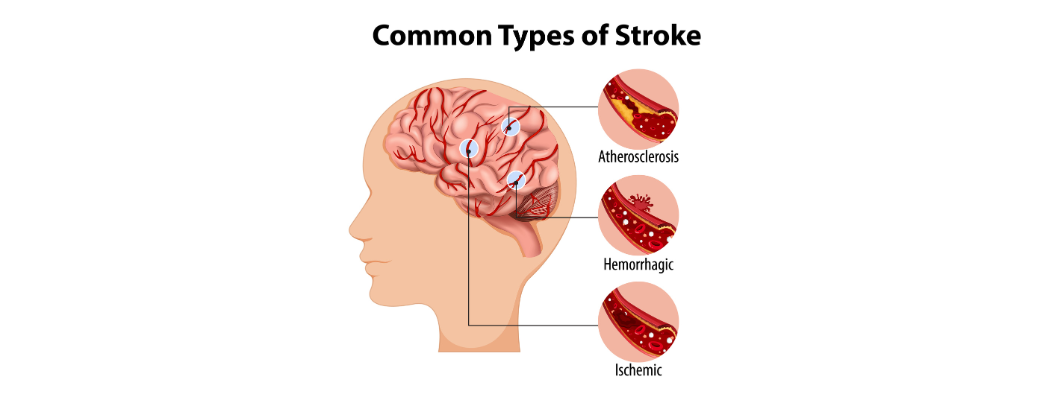
Thursday, 19 February, 2026
Most people don’t think much about stroke until someone they know deals with it. It feels distant, something that belongs to another age group. But many adults in their 30s, 40s, and 50s land in hospitals with symptoms they brushed off for months. Long sitting hours, skipped meals, pressure from work, disturbed sleep… all of it stacks up, often quietly.
The surprising part is how much control our daily routine holds. A few steady habits change the way blood vessels respond to stress. They calm the nervous system, keep pressure stable, and give the brain a better chance to recover from a tough day. You don’t need a dramatic lifestyle overhaul. Most of the time, you adjust small things and keep them going.
This guide walks through those habits in a simple, everyday way. Nothing fancy. Just changes people manage even in busy weeks.
What Is a Stroke & Why Prevention Matters?
A stroke happens when blood flow to part of the brain stops or drops sharply. Without that flow, brain cells struggle and start shutting down. Sometimes a clot blocks a vessel. Other times, a vessel bursts. Either way, the brain loses its signal system, and the result shows up fast, slurred speech, weakness, confusion and vision changes.
More working adults experience strokes now than before. It’s not always genetics. Often it’s lifestyle catching up slowly. A long stretch of sitting, irregular meals, rising blood pressure, and restless nights build strain inside the body.
Once brain cells lose oxygen, recovery becomes tough. That’s why prevention matters. Protecting your brain before trouble starts is easier than trying to repair damage later.
Everyday Lifestyle Factors That Increase Stroke Risk
Poor Diet
When days get busy, food becomes whatever’s easy. Packaged snacks, fried bites, restaurant meals with hidden salt, these aren’t “bad” once in a while, but they turn risky when they form most of your diet. Salt raises blood pressure. Sugar and trans fats spark inflammation in vessels. Even “light” snacks from office cafeterias hide a lot of salt.
People who skip breakfast often end up overeating late at night. That pattern keeps blood pressure high through the evening, which doesn’t give vessels any time to relax.
Lack of Physical Activity
Many adults sit most of the day without realising how long they’ve stayed in one posture. The body slows blood flow when muscles stay idle. Glucose sits in the system longer. Even those who exercise in the morning fall into this pattern if they sit for eight or nine hours after.
Short movement breaks do more good than occasional long workouts. Standing, stretching, walking to fill a water bottle, small actions keep circulation steady.
Smoking & Alcohol
Smoking tightens vessels. Even a few cigarettes a week change how blood flows. Alcohol brings its own load by raising blood pressure, especially when it shows up most evenings as a way to unwind. Social habits can turn into a pattern that slowly pushes risk higher.
High Stress Levels
Stress hormones tighten vessels and raise heart rate. A tough week is manageable, but months of pressure without proper rest distort sleep, appetite, and mood. People eat faster, move less, and stay wired late into the night. That combination strains vessels far more than most expect.
Poor Sleep Quality
Sleep is where the brain resets. When sleep breaks up or stays shallow, the next day’s blood pressure rises. Screens before bed, late dinners, unfinished work, it all disrupts the body’s rhythm. Over time, poor sleep becomes one of the stronger drivers of stroke risk.
Sedentary Desk Job Habits
Desk jobs bring a special kind of stillness. Shoulders slump, the neck stiffens, and the lower body hardly moves. Circulation slows, especially in the legs. Many workers forget to drink water throughout the day, which thickens blood and forces vessels to work harder. These little habits turn into long-term risk without much notice.
Daily Habits to Protect Your Brain Health
Best Foods for Brain & Heart Health
Simple meals protect the brain more than extreme diets. Fruits, greens, whole grains, beans, nuts, and good fats from fish or olive oil help vessels stay flexible. These foods lower inflammation and keep blood pressure steady.
Easy changes people manage in everyday routines:
- Swap fried snacks for nuts or fruit
- Start the day with oats or eggs and greens
- Keep cut vegetables at home for quick dinners
- Drink water through the day instead of waiting until evening
These small swaps lower risk without adding stress.
Simple Exercise Routine for Prevention
You don’t need long sessions or expensive equipment. Short bursts of activity across the week support circulation. A mix works well: brisk walking, light strength work, and stretches for the chest, back, and legs.
A steady rhythm is what counts. Ten minutes here and there beats one long session that never happens again.
Desk Habits for Office Workers
- Stand or walk every 30 - 45 minutes
- Stretch your neck, chest, and wrists
- Adjust your chair so your shoulders relax
- Keep water close
- Rest your eyes every so often to ease tension
These routines loosen muscles, wake up circulation, and brighten mental focus.
Stress & Mindfulness Practices
Stress will always exist, but the body handles it better with a few grounding habits. Slow breathing for a minute, a short walk after a tough meeting, writing down thoughts before bed, quiet music during the ride home, these moments shift the nervous system into a calmer state.
When stress settles, vessels soften and blood pressure drops a little. Those tiny shifts matter.
Sleep Hygiene for Brain Recovery
Better sleep doesn’t require perfection. Start with a few anchors:
- A steady sleep and wake time
- Sunlight exposure in the morning
- Limit screens before bed
- Keep the bedroom cooler
- Avoid heavy dinners late at night
These simple steps make sleep deeper and more restorative.
Stroke Awareness: Early Signs You Shouldn’t Ignore
FAST Symptoms Explained
The FAST method gives a quick way to spot early warnings:
- Face: One side looks uneven when the person smiles.
- Arms: One arm drifts down when both are raised.
- Speech: Words sound unclear or the person struggles to form a sentence.
- Time: Seek help at once. Every minute matters.
Other warnings include sudden weakness, numbness, blurred vision, or a headache that appears out of nowhere. Even if symptoms fade, they point to risk that deserves immediate care.
When to Seek Medical Consultation
A few signs signal the need for a checkup:
- High blood pressure
- High cholesterol
- Family history of stroke
- Frequent headaches
- Dizziness or numbness
- Irregular heartbeat
Screenings reveal issues early. Doctors guide you toward changes that protect long-term brain health. Early care often prevents larger problems later.
FAQs
What are the best daily habits to prevent stroke?
Steady movement, balanced meals, enough water, proper sleep, and stress control form the strongest base.
Can diet alone reduce stroke risk?
Diet helps a lot, though pairing it with movement and sleep support builds much stronger protection.
How much exercise supports stroke prevention?
Short sessions across the week work well. Walking, stretching, and simple strength routines keep vessels responsive.
Are desk workers at higher risk?
Yes, long sitting hours slow circulation. Regular breaks ease that load.
What are the earliest warning signs?
Facial droop, slurred speech, arm weakness, sudden numbness, or dizziness. These signals ask for immediate care.