080 6801 6801
 080 6801 6901
 Cardiac Sciences
 Bone and Joint
_6a5881022bb72.webp) Gastrointestinal Sciences
Gastrointestinal Sciences Neurosciences
 Renal Sciences
 Maa Kauvery (Women and Child Health)
 Robotic Surgery
 Accident and Emergency Care
 Anaesthesiology
 Arthroplasty (Joint Replacement Surgeries)
 Arthroscopy
 Bariatric Surgery
_6a586b64865e8.webp) Cardiology
Cardiology Cardiothoracic and Vascular Surgery
 Critical Care and ICU
 Dermatology
 Diabetes and Endocrinology
 ENT
ENT_6a5880f0bf74b.webp) Medical Gastroenterology
Medical Gastroenterology General Surgery
 Hand Surgery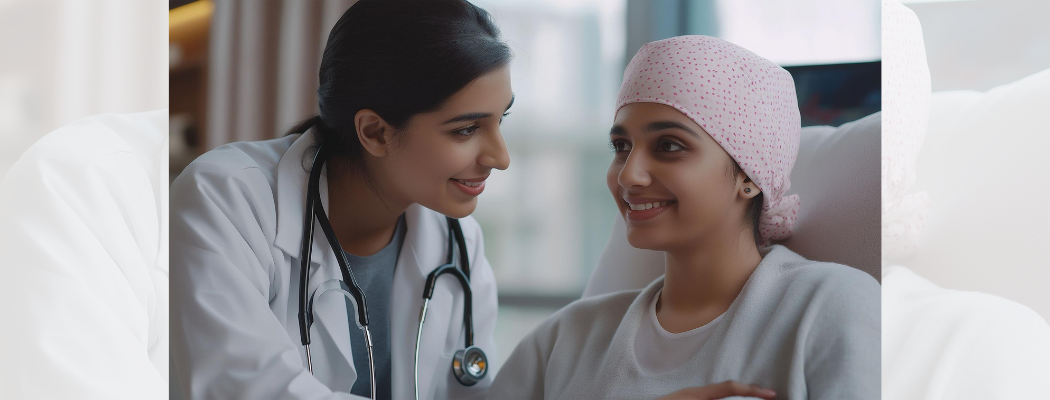
Thursday, 19 February, 2026
Life doesn’t snap back into place after cancer treatment. People often assume it does. You finish your sessions, ring the bell, take a few photos, and everyone around you starts cheering for the “return to normal.” But when you go home, you realise things feel different. Your body responds differently. Your thoughts drift in directions you didn’t expect. Some days you feel strong, almost like the old you. Other days… you sit quietly and wonder why you’re still tired or why something suddenly feels scary.
If you’re going through this, you’re not alone. Many survivors say the same thing: “Nobody prepared me for the part that comes after.” This stage is still healing. In many ways, it’s the most personal chapter of the whole journey. You get to rebuild, slowly, at your own pace. And that’s what this guide is for - a gentle companion, not a checklist.
Understanding Life After Cancer Treatment
What Changes After Treatment Ends
The end of treatment feels strange. For months, everything revolves around appointments, tests, people checking on you. Then, suddenly, the hospital visits slow down. That silence feels heavier than you expect.
Your body isn’t the same. Food tastes different. You get winded climbing stairs that never bothered you. Sleep plays games with you - some nights too much, other nights too little.
And emotionally… Well, there’s relief, yes. But also confusion. You’re grateful, but your mind still replays the past months. Friends may say, “You must be so happy it’s over,” and you smile, even when a part of you thinks, “I’m not sure what to feel yet.”
Common Physical & Emotional Challenges
It helps to know what others often struggle with:
Physically, you may notice:
- That constant tiredness that doesn’t match your activity
- Tingling in fingers or toes
- Joints that feel older than they are
- Changes in appetite
- Digestion that acts differently than before
- Shifts in hormones
Emotionally, things may swirl around a bit:
- Worry about scans
- Fear of “what if it comes back?”
- Difficulty focusing
- Feeling left behind socially
- Struggling to explain your feelings
These aren’t signs of weakness. They’re signs that you’ve lived through something major.
Physical Recovery After Cancer
Regaining Strength & Mobility
Your body remembers the months you spent fighting. Muscles feel softer. Steps feel heavier. Even carrying groceries may feel like a workout in the beginning.
Take it slow. Start with a five-minute walk around your home. Stretch when you wake up, even if it’s gentle. If your joints feel stiff, warm showers help before movement. And if something hurts in a strange way, reach out to your doctor. Some survivors work with physiotherapists who understand what treatment does to the body, a little guidance can make recovery smoother.
Nutrition for Healing
Food plays a quiet but powerful role. You don’t need fancy diets. Most survivors find comfort in simple meals:
- Fruit that feels refreshing
- Cooked vegetables
- Lentils, eggs, or fish for protein
- Nuts or seeds
- Soups on days appetite feels low
Taste may feel “off” for a while. Some flavours feel too strong, others too dull. That’s okay. Eat what feels gentle on your system. Small meals throughout the day help more than forcing big ones.
Hydration supports healing too - even if you’re sipping slowly through the day.
Managing Fatigue & Weakness
Cancer fatigue is unlike anything else. It doesn’t follow rules. You wake up fine one morning and then hit a wall by afternoon for no clear reason.
Energy budgeting helps. Pick the tasks that matter most that day. Let the rest wait. Give yourself breaks before you hit your limit. The body heals best when it doesn’t feel pushed beyond what it can manage.
And don’t feel guilty about resting. You’re rebuilding.
Exercise Guidelines for Survivors
- Slow walking is enough in the beginning
- Light stretching wakes up stiff joints
- Simple strength exercises help rebuild lost muscle
- Breathing practices support calm and improve stamina
If anything feels too much, dizziness, sharp pain, breathlessness, pause. Your body knows when something isn’t right.
Emotional & Mental Health
Coping With Anxiety & Fear of Recurrence
Fear tends to appear when things get quiet. While you were in treatment, the medical team watched you closely. After treatment ends, you start wondering if every ache means something. Many survivors say the nights before a follow-up scan are the hardest.
A few habits help: writing thoughts down, deep breathing when anxiety rises, talking openly with someone who understands, or even stepping outside for fresh air when your mind feels crowded. These don’t remove fear, but they soften it.
Dealing With Depression & Loneliness
After months of support, messages, check-ins, and people offering help, life shifts again. Everyone goes back to their routines, and you’re left figuring out yours.
You may lose interest in things you once enjoyed. You may feel disconnected from people who never saw the harder moments. If these feelings linger, a therapist or counselor adds steady support. You don’t need to sort through everything alone.
Support Groups & Counseling
Survivors often say their healing changed once they met others who “got it.” You don’t need to talk much, sometimes listening is enough. Hearing someone describe a feeling you haven’t been able to put into words brings comfort.
Counseling also helps with communication at home. Partners, children, friends, they try their best, but they don’t always know what you need unless you tell them. A counselor gives you space to unpack what’s on your mind.
Long-Term Health Monitoring
Follow-Up Appointments & Testing
These visits can stir anxiety, but they’re meant to guide you. Doctors check your progress, keep track of any changes, and answer questions you may not even realise you had.
Many survivors keep a simple notebook where they jot down symptoms, questions, or side effects before appointments. It helps create clarity during those brief visits.
Managing Late Side-Effects
Some changes appear slowly:
- Tingling in hands or feet
- Memory lapses or “brain fog”
- Sudden hot flashes if hormones shifted
- Bone aches
- Changes in heart or lung stamina
These are common and treatable. Early conversations with your care team make a difference.
Maintaining a Healthy Lifestyle
- Balanced meals
- Steady sleep
- Gentle movement
- Keeping stress lower
- Staying away from tobacco
- Drinking alcohol sparingly
Think of these not as rules but support for your body.
Rebuilding Personal & Professional Life
Returning to Work
Returning to work is a big step. Fatigue, concentration, and emotional shifts all play a role. Some survivors gradually increase their hours. Others request lighter tasks for the first few months.
You don’t owe anyone explanations beyond what you’re comfortable sharing. Your pace, your comfort, they matter more than other people’s timelines.
Strengthening Relationships
Cancer changes relationships. Sometimes it brings people closer. Sometimes it exposes old cracks. You might feel protective of your energy now. Or more open. Or withdrawn.
Try gentle conversations. Let people know what helps and what doesn’t. Loved ones often guess wrong, not because they don’t care, but because they’re afraid of saying the wrong thing.
Sexual Health After Cancer
This is one area people don’t talk about enough, yet it affects many survivors. Hormones shift. Energy dips. Confidence takes time to rebuild. Pain or dryness can show up too.
Doctors can help, whether through medication, lubricants, pelvic therapy, or counseling. You deserve comfort and connection without discomfort or shame.
When to Seek Medical Help
Reach out to your care team if you notice:
- New or lasting pain
- Sudden fatigue that feels unusual
- Weight changes you can’t explain
- Breathing trouble
- Lumps or swelling
- Mood changes that interrupt daily life
If something feels off, trust your instincts.
FAQs
What is the first step after completing cancer treatment?
Take a breath. Learn your follow-up schedule. Give your body time to settle.
How long does recovery take?
There’s no single timeline. Some survivors feel stronger within months. Others take longer. Healing is personal.
Can survivors return to normal life?
Yes. Though many say life takes a new shape, sometimes healthier, sometimes calmer.
What lifestyle changes reduce recurrence risk?
Steady movement, nourishing meals, good sleep, stress care, and regular follow-ups.
How do survivors handle emotional stress?
Talking, writing, breathing techniques, support groups, therapy, and knowing they don’t have to act “strong” all the time.