080 6801 6801
 080 6801 6901
 Cardiac Sciences
 Bone and Joint
_6a5881022bb72.webp) Gastrointestinal Sciences
Gastrointestinal Sciences Neurosciences
 Renal Sciences
 Maa Kauvery (Women and Child Health)
 Robotic Surgery
 Accident and Emergency Care
 Anaesthesiology
 Arthroplasty (Joint Replacement Surgeries)
 Arthroscopy
 Bariatric Surgery
_6a586b64865e8.webp) Cardiology
Cardiology Cardiothoracic and Vascular Surgery
 Critical Care and ICU
 Dermatology
 Diabetes and Endocrinology
 ENT
ENT_6a5880f0bf74b.webp) Medical Gastroenterology
Medical Gastroenterology General Surgery
 Hand Surgery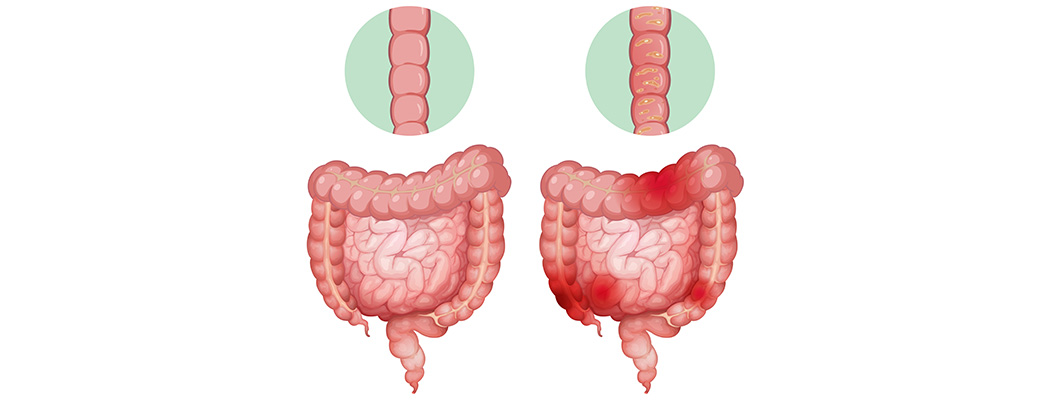
Monday, 13 July, 2026
You sit down for a few minutes, expecting a routine trip to the bathroom. Nothing happens. The next day feels the same. Then comes the bloating, the discomfort, and that nagging feeling that something just isn't right.
Constipation is one of the most common digestive complaints across all age groups. Yet many people hesitate to talk about it. Some assume it's a normal part of a busy lifestyle. Others try to manage it quietly until symptoms become difficult to ignore.
The good news is that most cases of constipation are linked to everyday habits that can be changed. Understanding what causes constipation is often the first step toward finding lasting relief.
What is Constipation?
It is important to remember that constipation is a symptom rather than a disease. It can develop because of dietary choices, lifestyle patterns, medications, hormonal changes, or certain medical conditions. Because constipation may sometimes be linked to broader Treatments for Digestive Problems, identifying the underlying cause is often the first step toward effective care.
Common Symptoms of Constipation
Constipation does not look the same for everyone. Some individuals may also experience constipation bloating, abdominal fullness, or excess gas. Since these symptoms can overlap with other stomach problems, persistent discomfort should not be ignored.
Hard or lumpy stools
Stools may become dry, compact, and difficult to pass. This happens when the colon absorbs too much water from waste before it leaves the body.
Straining or pain during bowel movements
Many people spend longer on the toilet than usual and need excessive effort to pass stool. This can lead to discomfort and frustration over time.
Feeling of incomplete evacuation
Even after a bowel movement, there may be a lingering sensation that the bowels have not emptied fully. This feeling is surprisingly common among people with chronic constipation.
Some individuals may also experience constipation bloating, abdominal fullness, or excess gas.

Top Reasons for Constipation
When patients ask doctors about what causes constipation, the answer is rarely just one thing. In most cases, several factors work together.
Low Fiber Diet
Fiber adds bulk and softness to stool, helping it move through the digestive tract.
A diet heavy in refined flour products, processed snacks, fast food, and sugary treats often lacks sufficient fiber. Fruits, vegetables, beans, lentils, and whole grains may be missing from daily meals.
Over time, this pattern can slow bowel movements and make stools harder to pass.
Dehydration (Not Drinking Enough Water)
Water plays a critical role in keeping stool soft.
When fluid intake is low, the colon removes more water from waste material. The result is harder stool that becomes increasingly difficult to pass.
Many working professionals unknowingly fall short on hydration, especially during long office hours, travel schedules, or busy meetings.
Lack of Physical Activity
Movement helps stimulate intestinal contractions that push stool through the colon.
Long periods of sitting—whether at a desk, in a car, or on a couch—can slow this process. This is one reason constipation is frequently seen among sedentary professionals and older adults with reduced mobility.
Even a daily walk can make a noticeable difference.
Ignoring the Urge to Pass Stool
The body sends signals when it is time for a bowel movement. Repeatedly ignoring those signals can disrupt natural bowel patterns.
Many people delay bathroom visits because of work deadlines, travel, lack of privacy, or unfamiliar surroundings. Over time, stool remains in the colon longer and becomes harder and drier.
Changes in Routine (Travel, Diet, Sleep)
Travel is a classic trigger.
Different foods, disrupted sleep schedules, dehydration, and unfamiliar bathrooms can all affect bowel habits. Night-shift workers often experience similar challenges because the body's natural rhythm is altered.
Even festive seasons filled with rich foods and irregular meal timings can contribute to temporary constipation.
Medications
Several commonly prescribed medications may contribute to constipation.
These include iron supplements, opioid pain medications, certain antidepressants, antihistamines, calcium-channel blockers, antacids containing aluminum, and some anti-seizure medicines.
If symptoms begin after starting a new medication, discussing it with a healthcare provider is worthwhile before making changes on your own.
Medical Conditions
Sometimes constipation points to an underlying health issue.
Conditions such as hypothyroidism, diabetes, irritable bowel syndrome with constipation (IBS-C), Parkinson's disease, chronic kidney disease, and pelvic floor dysfunction can all affect bowel function.
In some cases, people searching for answers about what causes constipation discover that an undiagnosed medical condition is contributing to their symptoms.
Stress can also influence digestion. In fact, many patients ask whether stress causes constipation, and the answer is yes—it can alter communication between the brain and gut, affecting bowel movements.
Pregnancy & Hormonal Changes
Constipation is common during pregnancy.
Hormonal changes can slow digestion, while the growing uterus places additional pressure on the intestines. Reduced physical activity and iron supplements may further contribute to symptoms.
Hormonal fluctuations at different stages of life can also influence bowel habits.
Best Ways to Relieve Constipation
For most people, lifestyle changes remain the foundation of effective constipation treatment.

Increase Fiber Intake
Many people exploring home remedies for constipation find that simple dietary improvements produce meaningful results within days. Similar dietary strategies are often recommended alongside Home Remedies for Hyperacidity Problems, as both conditions benefit from healthy eating habits and adequate hydration.
Drink More Water
Adequate hydration helps keep stools softer and easier to pass.
While fluid needs vary, many adults benefit from consuming around 1.5 to 2 litres of water daily unless advised otherwise by their doctor.
Exercise Regularly
Physical activity encourages healthy bowel function.
You do not need intense workouts. A brisk 30-minute walk, cycling, swimming, or light yoga can support digestive health and help prevent constipation.
Establish a Routine
The bowel tends to respond well to consistency.
Try setting aside time each day, particularly after breakfast, when the body's natural gastro-colic reflex is active. Avoid rushing and allow enough time for a comfortable bowel movement.
Don’t Ignore the Urge
Responding promptly when you feel the need to pass stool helps maintain healthy bowel habits.
Waiting too long can make stool harder and increase the likelihood of stomach constipation and discomfort.
Use Natural Remedies
Several people find relief through dietary approaches such as prunes, kiwi fruit, flaxseeds, and warm fluids in the morning.
While there is no single solution that works for everyone, many of these approaches are considered effective natural cures for constipation when combined with adequate hydration and activity.
Over-the-Counter Treatments (If Needed)
When lifestyle measures are not enough, over-the-counter options may help.
Bulk-forming fiber supplements, osmotic laxatives such as polyethylene glycol, stool softeners, or short-term stimulant laxatives may be recommended depending on the situation.
Anyone requiring frequent laxative use should seek medical advice to identify the underlying cause and determine the most appropriate constipation treatment. Consulting an experienced Gastroenterologist in Bangalore can help evaluate persistent symptoms and recommend a personalised treatment plan.
Many people seeking quick constipation relief find that combining hydration, physical activity, and appropriate medications offers the fastest improvement.
Foods That Help Relieve Constipation
Certain foods naturally support regular bowel movements:
- Apples and pears
- Prunes and raisins
- Kiwi fruit
- Papaya
- Oats
- Brown rice
- Whole wheat products
- Beans and lentils
- Chia seeds
- Flaxseeds
- Green leafy vegetables
Including these foods regularly is often considered the best way to relieve constipation without relying solely on medications.
Foods That Can Worsen Constipation
Some foods may slow bowel movements when consumed frequently:
- Highly processed snacks
- White bread and refined flour products
- Fast food
- Excess cheese
- Processed meats
- High-sugar desserts
- Large amounts of red meat
Moderation can help avoid constipation, particularly when these foods replace fiber-rich options.
A quick note on alcohol: digestive specialists are often asked questions such as how does alcohol affect the liver, how does alcohol affect the liver short term, how does alcohol affect the liver long term, how alcohol damages the liver, how is liver affected by alcohol, how alcohol effects liver, how much alcohol can damage the liver, and how much alcohol consumption causes cirrhosis. While these issues primarily involve liver health, excessive alcohol intake can also contribute to dehydration, which may worsen bowel regularity in some individuals.
When Should You See a Doctor?
Occasional constipation is common. Certain warning signs, however, should never be ignored.
Symptoms lasting more than 3 weeks
Persistent symptoms deserve medical evaluation, especially if lifestyle measures have not helped.
Blood in stool
Blood may indicate hemorrhoids, fissures, inflammatory bowel disease, or more serious conditions that require assessment.
Severe abdominal pain
Significant pain, vomiting, or abdominal swelling could suggest an obstruction or another urgent condition.
Unexplained weight loss
Unexpected weight loss combined with bowel changes warrants prompt investigation.
People with mild constipation can often improve through lifestyle changes, but persistent symptoms should always be discussed with a healthcare professional.
Conclusion
If symptoms continue despite these efforts or are accompanied by warning signs, seeking medical advice is the safest next step. Early evaluation can identify underlying conditions and help you find the most effective long-term solution. If you are looking for a trusted gastro hospital in bangalore, timely consultation with a digestive health specialist can help prevent complications and improve long-term bowel health.
If symptoms continue despite these efforts or are accompanied by warning signs, seeking medical advice is the safest next step. Early evaluation can identify underlying conditions and help you find the most effective long-term solution.
FAQs
1. How long can constipation last before it becomes serious?
Occasional constipation lasting a few days is common. If symptoms persist for more than three weeks, recur frequently, or are associated with pain, bleeding, or weight loss, medical evaluation is recommended.
2. Is it normal to have constipation occasionally?
Yes. Many people experience occasional constipation due to travel, dietary changes, dehydration, stress, or temporary disruptions in routine. These episodes often improve with simple lifestyle adjustments.
3. Can constipation go away on its own?
It can. Short-term constipation may resolve once hydration, diet, activity levels, or daily schedules return to normal. Persistent symptoms should not be ignored.
4. What is the fastest natural remedy for constipation?
For many people, increasing water intake, taking a brisk walk, and consuming fiber-rich foods such as prunes or kiwi fruit can help stimulate bowel movements naturally. The response varies from person to person.