080 6801 6801
 080 6801 6901
 Cardiac Sciences
 Bone and Joint
_6a5881022bb72.webp) Gastrointestinal Sciences
Gastrointestinal Sciences Neurosciences
 Renal Sciences
 Maa Kauvery (Women and Child Health)
 Robotic Surgery
 Accident and Emergency Care
 Anaesthesiology
 Arthroplasty (Joint Replacement Surgeries)
 Arthroscopy
 Bariatric Surgery
_6a586b64865e8.webp) Cardiology
Cardiology Cardiothoracic and Vascular Surgery
 Critical Care and ICU
 Dermatology
 Diabetes and Endocrinology
 ENT
ENT_6a5880f0bf74b.webp) Medical Gastroenterology
Medical Gastroenterology General Surgery
 Hand Surgery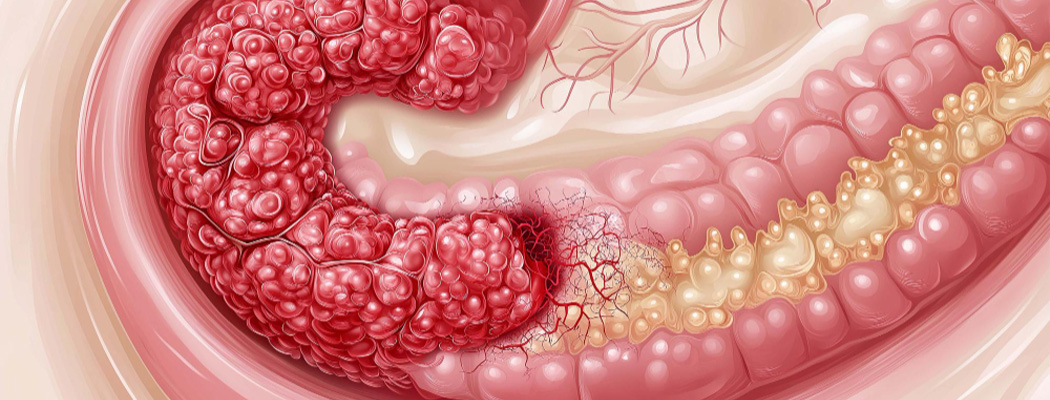
Monday, 13 July, 2026
A burning pain in the upper abdomen after skipping a meal. A constant feeling of acidity that doesn't settle even after taking over-the-counter medicines. Bloating that seems to appear after almost everything you eat. Many people brush off these symptoms as "gas" or indigestion. Sometimes that's true. At other times, they may point to something that deserves closer attention, a stomach ulcer.
A stomach ulcer is one of the most common digestive conditions seen worldwide, yet many people don't realise they have one until the discomfort begins interfering with daily life. Left untreated, an ulcer can bleed, perforate the stomach wall, or lead to other serious complications. The good news? With timely diagnosis and the right stomach ulcer treatment, most ulcers heal completely.
If you've been experiencing persistent upper abdominal pain or are wondering whether your symptoms could be linked to an ulcer, this guide explains everything you need to know, from causes and symptoms to diagnosis and treatment.
What Is a Stomach Ulcer?
A stomach ulcer is an open sore that develops in the inner lining of the stomach. It forms when the protective mucus layer that shields the stomach from its own acid becomes damaged. Once that protective barrier weakens, stomach acid begins irritating the tissue underneath, eventually creating an ulcer.
Doctors classify stomach ulcers under a broader condition called peptic ulcer disease, which includes ulcers that develop in the stomach as well as the first part of the small intestine.
One of the easiest ways to understand it is to imagine a small wound inside the stomach. Every meal exposes that wound to digestive acid, which explains why eating or an empty stomach can trigger discomfort.
Recognising stomach ulcer symptoms early can help prevent complications and allow treatment to begin before the ulcer becomes severe.

Types of Peptic Ulcers
Gastric Ulcers (Stomach)
A gastric ulcer develops within the stomach lining itself. These ulcers are more commonly seen in older adults and in people who regularly take painkillers such as aspirin or ibuprofen. Depending on where the ulcer is located, eating may either worsen or temporarily ease the pain.
Because some gastric ulcers can resemble early stomach cancer, doctors often recommend an upper gastrointestinal endoscopy and, if required, a biopsy to confirm the diagnosis.
Duodenal Ulcers (Small Intestine)
Duodenal ulcers occur in the first part of the small intestine, called the duodenum. Unlike gastric ulcers, the pain from a duodenal ulcer often becomes more noticeable when the stomach is empty, especially late at night or between meals. Many people feel temporary relief after eating something.
Although both belong to the same disease group, their symptoms and treatment approach may differ slightly.
What Causes Stomach Ulcers?
Many people assume ulcers develop because they skipped meals, worked under pressure, or enjoyed spicy food too often. Modern research tells a different story.
Understanding stomach ulcer causes is the first step towards preventing future ulcers.
H. pylori Bacterial Infection
One of the leading causes of stomach ulcers is infection with Helicobacter pylori (H. pylori), a bacterium that lives in the stomach. In many people it causes no symptoms at all. In others, it gradually weakens the stomach's protective lining, making it easier for acid to damage the tissue.
This infection is responsible for a large proportion of peptic ulcers worldwide. Once detected, it can usually be treated successfully with a combination of antibiotics and acid-suppressing medication.
Long-Term Use of NSAIDs and Aspirin
Another major reason for stomach ulcer development is the prolonged use of non-steroidal anti-inflammatory drugs (NSAIDs), including aspirin, ibuprofen, naproxen, and similar pain-relieving medicines.
These medicines reduce the production of prostaglandins—natural substances that help protect the stomach lining. As this protection decreases, stomach acid can gradually erode the lining and create an ulcer.
The risk increases further in people who:
- Are above 60 years of age
- Take blood-thinning medicines
- Have had ulcers before
- Use high doses of NSAIDs over several weeks or months
If you need pain medication regularly, it's always safer to discuss alternatives with your doctor instead of relying on self-medication.
Other Contributing Factors (Alcohol, Smoking, Stress)
While alcohol and smoking may not directly create ulcers in most people, they can make existing ulcers harder to heal.
Smoking reduces blood supply to the stomach lining and increases acid production. Alcohol, especially when consumed heavily, irritates the stomach lining and can worsen symptoms.
Stress deserves a separate mention. Everyday work pressure, exams, or emotional stress do not usually create ulcers on their own. However, stress can increase acid production, worsen pain, disturb eating habits, and delay recovery once an ulcer has already formed.
People who are critically ill or admitted to intensive care units may also develop stress-related ulcers because of severe physical illness rather than emotional stress.
Myths: Does Spicy Food or Stress Cause Ulcers?
This remains one of the most common misconceptions.
Spicy food does not usually cause stomach ulcers. Neither does emotional stress by itself.
What spicy foods often do is irritate an already inflamed stomach lining, making the pain feel worse. That's why someone with an ulcer may notice discomfort after eating spicy curries or heavily seasoned food, while another person experiences no problem at all.
Instead of blaming spices alone, doctors look for the actual ulcer reason, which is most often H. pylori infection or long-term NSAID use.
Common Symptoms of Stomach Ulcers
Ulcers don't always announce themselves dramatically. In fact, some people have no symptoms until complications develop. Others experience mild discomfort for months, assuming it's only acidity.
Knowing the warning signs can help you seek medical care early.

Burning or Gnawing Stomach Pain
The classic symptom is a dull, burning, or gnawing pain in the upper abdomen. Many people describe it as a persistent burning sensation in the stomach that comes and goes.
The discomfort usually sits between the breastbone and the belly button. It may worsen late at night or when the stomach has been empty for several hours. Food, milk, or antacids sometimes provide temporary relief, but the pain often returns.
This persistent ulcer pain should never be ignored, particularly if it keeps recurring over several weeks.
Bloating, Indigestion, and Heartburn
People often confuse ulcers with routine indigestion because both conditions share similar symptoms.
You may notice:
- Frequent bloating after meals
- Burping more often than usual
- A persistent stomach burning sensation
- Heartburn-like discomfort
- Ongoing indigestion that doesn't improve with lifestyle changes
These symptoms can also occur in acid reflux or gastritis, which is why a proper medical evaluation is important.
Nausea, Vomiting, and Loss of Appetite
As the ulcer progresses, irritation inside the stomach can trigger nausea, occasional vomiting, or reduced appetite.
Some people begin avoiding meals because eating appears to worsen the discomfort. Over time, this can lead to unintended weight loss.
Vomiting blood or material that resembles coffee grounds is not a routine ulcer symptom. It is a medical emergency and requires immediate hospital care.
Feeling Full Quickly After Eating
Another symptom people often overlook is early satiety—the feeling of becoming full after eating only a small amount.
When the stomach lining is inflamed, digestion slows down, making meals feel heavier than usual. If this symptom continues alongside persistent stomach pain, bloating, or nausea, it's worth discussing with a gastroenterologist.
Who Is at Risk for Stomach Ulcers?
Although ulcers can develop at almost any age, some people face a much higher risk than others.
Your chances increase if you:
- Have an H. pylori infection.
- Regularly take aspirin, ibuprofen, naproxen, or other NSAIDs.
- Smoke cigarettes.
- Consume alcohol heavily over long periods.
- Are above 60 years of age.
- Have had a stomach ulcer before.
- Take blood thinners or corticosteroids alongside NSAIDs.
- Live with chronic illnesses such as liver disease or chronic lung disease.
If you already experience Stomach Problems & Gastrointestinal Issues, recurring upper abdominal pain should never be dismissed as "just gas." Early evaluation can identify ulcers before they progress to bleeding or perforation.
How Are Stomach Ulcers Diagnosed?
A stomach ulcer cannot be confirmed based on symptoms alone. Conditions such as acid reflux, gastritis, gallstones, and even heart disease can sometimes produce similar discomfort. That's why your doctor will recommend tests based on your age, symptoms, and overall health.
The consultation usually begins with a detailed discussion about:
- When the pain started
- Whether it is related to meals
- Your use of painkillers such as aspirin or ibuprofen
- Smoking or alcohol consumption
- Any history of vomiting blood, black stools, or unexplained weight loss
If bleeding is suspected, blood tests may be advised to check for anaemia.
The most reliable investigation is an upper gastrointestinal endoscopy (gastroscopy). During this procedure, a thin flexible tube with a camera is passed through the mouth to examine the food pipe, stomach, and the first part of the small intestine. The doctor can identify the ulcer, assess whether it is bleeding, and collect a small tissue sample if required.
Testing for Helicobacter pylori is equally important because treating the infection significantly lowers the risk of the ulcer returning. Depending on the situation, your doctor may recommend a urea breath test, stool antigen test, or a biopsy taken during endoscopy.
People over a certain age or those with warning signs such as persistent vomiting, anaemia, difficulty swallowing, or weight loss are usually advised to undergo endoscopy without delay.
Treatment Options for Stomach Ulcers
The aim of stomach ulcer treatment is straightforward: heal the ulcer, remove its underlying cause, relieve symptoms, and prevent future complications. The exact treatment depends on what caused the ulcer in the first place.
Antibiotics for H. pylori Infection
If testing confirms H. pylori, your doctor will prescribe a combination of antibiotics along with medicines that reduce stomach acid. Treatment usually lasts between 10 and 14 days.
It is important to complete the full course, even if your symptoms improve after a few days. Stopping antibiotics early can allow the bacteria to survive and become more difficult to eliminate.
After treatment, your doctor may recommend repeat testing to make sure the infection has been completely cleared.
Proton Pump Inhibitors (PPIs)
Medicines called proton pump inhibitors (PPIs) are considered the first choice for reducing stomach acid.
Common examples include omeprazole, pantoprazole, and esomeprazole. These medicines give the damaged stomach lining time to heal and are often prescribed for four to eight weeks, depending on the size and severity of the ulcer.
For many patients, PPIs form the foundation of gastric ulcer treatment, whether or not H. pylori is present.
H2 Blockers and Antacids
When PPIs are not suitable, H2 receptor blockers may be recommended to reduce acid production.
Antacids can provide quick relief from discomfort by neutralising existing stomach acid. However, they only relieve symptoms temporarily and should not be considered the main stomach ulcer medication because they do not heal the ulcer itself.
Many people search online for home remedies for ulcers. While eating smaller meals, avoiding smoking, and reducing alcohol intake may improve symptoms, there is no home remedy that can eliminate H. pylori infection or repair an established ulcer. Medical evaluation remains essential.
Protective Agents (Sucralfate, Bismuth)
Some patients may also receive medicines that coat the ulcer and protect it while it heals.
Sucralfate forms a protective layer over the ulcer, reducing irritation from stomach acid. Bismuth preparations help shield the stomach lining and may also be included in certain antibiotic combinations used to treat H. pylori.
Your gastroenterologist will decide which combination of medicines is most suitable based on your symptoms, medical history, and test results.
Surgical Intervention for Severe Cases
Most stomach ulcers heal without surgery.
However, emergency surgery may become necessary if an ulcer causes severe bleeding, creates a hole in the stomach wall (perforation), or blocks the normal passage of food out of the stomach.
These situations require immediate hospital care and should never be managed at home.
If you notice vomiting blood, passing black tarry stools, or sudden severe abdominal pain that does not improve, seek emergency medical attention immediately.
When Should You See a Gastroenterologist?
Occasional indigestion after a heavy meal is common. Persistent symptoms are different.
You should consult a Gastroenterologist in Bangalore if you experience:
- Burning pain in the upper abdomen lasting more than a few weeks
- Recurrent acidity despite taking medicines
- Frequent nausea or vomiting
- Loss of appetite or unexplained weight loss
- Difficulty swallowing
- Black stools or vomiting blood
- Pain that repeatedly wakes you up at night
People who take aspirin or NSAIDs regularly should also discuss ongoing digestive symptoms with their doctor rather than assuming they are a normal side effect.
If your symptoms continue despite treatment for Hyperacidity, further evaluation may be needed to rule out an ulcer or another digestive condition.
Those looking for expert digestive care can consult specialists at a gastro hospital in bangalore, where advanced investigations such as endoscopy and evidence-based treatment are available under one roof. Patients who require complex procedures can also benefit from care at a gastro surgery hospital in bangalore, particularly when complications such as bleeding or perforation need surgical expertise.
If you've been wondering how to treat stomach ulcers, remember that the answer depends on identifying the underlying cause rather than simply controlling symptoms with over-the-counter medicines.
Likewise, understanding what causes ulcers helps reduce the risk of recurrence. This includes avoiding unnecessary NSAID use, quitting smoking, limiting alcohol intake, and completing treatment for H. pylori infection when it is diagnosed.
During recovery, your doctor may also advise you about foods to avoid with ulcers. Although no single diet causes ulcers, limiting foods that consistently worsen your symptoms—such as spicy dishes, highly acidic foods, deep-fried meals, excessive coffee, or alcohol—can make healing more comfortable.
Conclusion
A stomach ulcer is more than a temporary episode of acidity. It is a medical condition that develops when the stomach's protective lining is damaged, most commonly because of H. pylori infection or long-term use of pain-relieving medicines.
Early diagnosis, appropriate medication, and addressing the underlying cause allow most ulcers to heal completely without complications. Ignoring persistent symptoms, however, can lead to bleeding, perforation, or obstruction that requires emergency treatment.
If you have ongoing upper abdominal pain, repeated indigestion, or warning signs such as black stools or vomiting blood, don't delay seeking medical advice. Timely evaluation can make treatment simpler, recovery quicker, and complications far less likely.
FAQs
1. Can stomach ulcers heal on their own without treatment?
Some small ulcers may improve temporarily, but most require medical treatment to heal completely. If the underlying cause, such as H. pylori infection or continued NSAID use, is not addressed, the ulcer is likely to persist or return. Untreated ulcers also carry the risk of bleeding and perforation.
2. What foods should I avoid if I have a stomach ulcer?
There is no universal ulcer diet, but it is sensible to avoid foods and drinks that trigger your symptoms. Common examples include spicy foods, alcohol, highly acidic foods, deep-fried meals, and excessive coffee. Eating smaller, more frequent meals may also help reduce discomfort during recovery.
3. How long does it take to recover from a stomach ulcer with treatment?
Most uncomplicated stomach ulcers begin healing within a few weeks, and many recover completely within four to eight weeks when treated appropriately. If H. pylori infection is present, completing the prescribed antibiotic course is essential for long-term healing and preventing recurrence.
4. When stress or anxiety makes a stomach ulcer worse?
Stress and anxiety do not usually cause stomach ulcers, but they can make existing symptoms feel more intense. They may increase acid production, disturb eating habits, affect sleep, and slow recovery. Managing stress alongside medical treatment can improve overall symptom control and quality of life.