080 6801 6801
 080 6801 6901
 Cardiac Sciences
 Bone and Joint
_6a5881022bb72.webp) Gastrointestinal Sciences
Gastrointestinal Sciences Neurosciences
 Renal Sciences
 Maa Kauvery (Women and Child Health)
 Robotic Surgery
 Accident and Emergency Care
 Anaesthesiology
 Arthroplasty (Joint Replacement Surgeries)
 Arthroscopy
 Bariatric Surgery
_6a586b64865e8.webp) Cardiology
Cardiology Cardiothoracic and Vascular Surgery
 Critical Care and ICU
 Dermatology
 Diabetes and Endocrinology
 ENT
ENT_6a5880f0bf74b.webp) Medical Gastroenterology
Medical Gastroenterology General Surgery
 Hand Surgery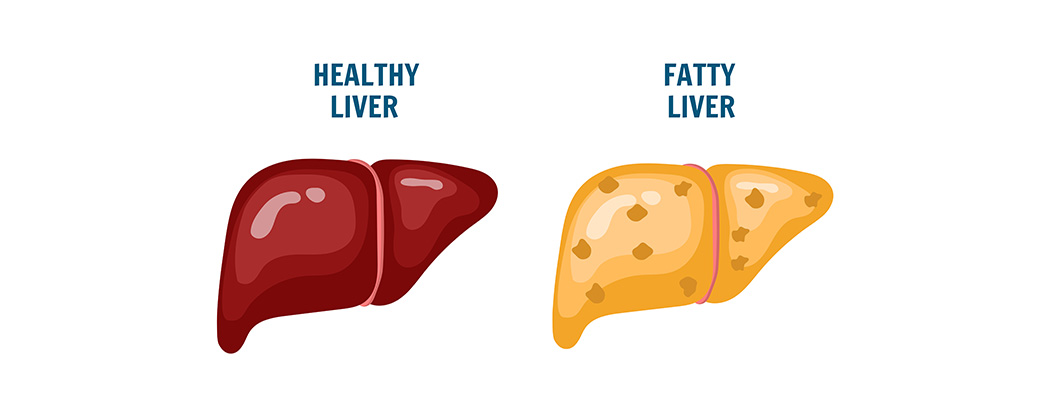
Tuesday, 7 July, 2026
You feel tired even after a full night’s sleep. Your stomach feels heavy after meals. There is a dull ache under the right side of your ribs that comes and goes. Most people blame stress, long work hours, poor sleep, or aging.
What many do not realise is that these seemingly harmless complaints can sometimes point to a growing liver problem.
Today, fatty liver disease is one of the most common liver conditions worldwide. It is increasingly being diagnosed in young adults, working professionals, homemakers, and even people who do not consume alcohol. The challenge is that the liver can silently accumulate fat for years before obvious symptoms appear.
Recognising fatty liver symptoms early can help prevent inflammation, scarring, liver failure, and even liver cancer. The earlier the condition is identified, the greater the chance of reversing it through lifestyle changes and medical guidance.
What is Fatty Liver Disease?
The liver plays a crucial role in digestion, metabolism, cleansing, and energy storage. Fatty liver disease develops when excess fats accumulate inside liver cells.While a small amount of fat is normal, but not too much because an excessive amount of fat can interfere with liver function and trigger inflammation over the years.
Many people searching online for What is Fatty Liver Disease are amazed to learn that it often develops without noticeable symptoms in its preliminary stages. In fact, many cases are discovered by chance all through routine blood tests or abdominal ultrasounds performed for unrelated motives.
If left untreated, fatty liver can develop liver inflammation, fibrosis (scarring), cirrhosis, and, in severe cases, liver cancer.
Types of Fatty Liver Disease
Metabolic Associated Fatty Liver Disease (MAFLD)
MAFLD is related to metabolic conditions including weight problems, diabetes, insulin resistance, high cholesterol, and high blood pressure. It is currently the most common form of fatty liver disease and is increasingly more visible amongst more younger adults with sedentary lifestyles.
Alcohol-Related Fatty Liver Disease (AFLD)
AFLD takes place due to excessive alcohol intake over time. Alcohol disrupts the liver's ability to process fat efficiently, leading to fat accumulation and potential liver damage. Continued alcohol consumption can accelerate progression to alcoholic hepatitis and cirrhosis.

Early Fatty Liver Symptoms You Should Never Ignore
One reason fatty liver often goes unnoticed is that the symptoms are subtle and can mimic many everyday health complaints. Still, there are warning signs worth paying attention to.
Persistent Fatigue and Weakness
Constant tiredness is among the most frequently pronounced early signs and symptoms of fatty liver disease. This isn't the usual end-of-day exhaustion after a busy schedule.
People often describe it as a lingering lack of energy that affects productivity, exercise tolerance, and concentration. Even after adequate sleep, they may experience being physically tired or mentally sluggish.
Pain or Discomfort in the Upper Right Abdomen
The liver sits beneath the right rib cage. As fat accumulates, some individuals experience a dull ache, pressure, or feeling of fullness in this area.
The discomfort is usually mild rather than sharp. It may become more noticeable after large meals or prolonged sitting.
Loss of Appetite
Changes in appetite can develop gradually. Some people report feeling full sooner than usual or losing interest in food altogether.
When appetite declines without a clear explanation, especially alongside fatigue or abdominal discomfort, it may warrant medical evaluation.
Bloating and Indigestion
Frequent bloating, abdominal heaviness, reflux, or digestive discomfort after meals may occur in some patients with fatty liver.
Although these symptoms are common in digestive disorders, recurring bloating combined with metabolic risk factors should not be ignored.
Dark Patches on the Skin
Dark, velvety skin patches around the neck, underarms, or groin—known as acanthosis nigricans—can indicate insulin resistance, a major contributor to fatty liver disease.
Some individuals also notice fatty liver side effects on skin, including dullness, pigmentation changes, and other metabolic skin manifestations.
Questions such as fatty liver symptoms on face frequently arise because people observe changes like puffiness, uneven skin tone, or a tired appearance. While these signs alone do not confirm liver disease, they can sometimes accompany underlying metabolic problems.
Advanced Symptoms of Fatty Liver Disease
As liver damage progresses, symptoms become more obvious and serious. These signs require prompt medical attention.
Jaundice (Yellowing of Skin and Eyes)
Jaundice develops when the liver can no longer process bilirubin effectively. The skin and whites of the eyes gradually turn yellow.
This symptom often indicates significant liver dysfunction and should never be ignored.
Swelling in the Legs and Abdomen
Advanced liver disease can lead to fluid accumulation.
Swelling in the ankles, feet, or lower legs may occur first. In more severe cases, fluid collects in the abdomen, causing visible enlargement and discomfort.
Easy Bruising and Bleeding
A damaged liver struggles to produce clotting proteins efficiently. As a result, people may bruise easily, experience frequent nosebleeds, or notice prolonged bleeding from minor injuries.
Severe Weakness and Confusion
When liver function declines significantly, toxins may accumulate in the bloodstream and affect brain function.
Memory issues, confusion, poor concentration, sleep disturbances, and severe weakness can occur. These symptoms require urgent medical evaluation.
Many of these manifestations represent serious side effects of fatty liver and signal advanced disease progression.
Common Causes and Risk Factors of Fatty Liver
Several factors increase the likelihood of developing fatty liver disease.
Obesity and Belly Fat
Excess body weight, particularly abdominal obesity, is one of the strongest risk factors. Fat stored around internal organs contributes directly to liver fat accumulation.
Many people wonder whether fatty liver causes weight gain. While fatty liver itself does not directly cause obesity, both conditions often develop together because of underlying metabolic dysfunction.
Diabetes and Insulin Resistance
Insulin resistance increases fat deposition within liver cells. Individuals with Type 2 diabetes or prediabetes face a substantially higher risk of fatty liver disease and its complications.
High Cholesterol and Triglycerides
Elevated triglycerides and abnormal cholesterol levels contribute to metabolic syndrome and increase liver fat accumulation.
Excessive Alcohol Consumption
Regular heavy drinking overwhelms the liver’s metabolic pathways, encouraging fat storage and liver injury.
Sedentary Lifestyle and Poor Diet
Long hours of sitting, limited physical activity, sugary beverages, refined carbohydrates, and ultra-processed foods significantly increase risk.
The long-term effects of fatty liver on the body extend beyond the liver itself. The condition is associated with cardiovascular disease, diabetes, kidney disease, and systemic inflammation.
Some patients also ask whether fatty liver causes hair loss. Hair loss is not considered a classic symptom, but nutritional deficiencies, metabolic disorders, and chronic illness may contribute in certain cases.

How is Fatty Liver Diagnosed?
Physical Examination and Medical History
Doctors begin by assessing symptoms, lifestyle habits, alcohol intake, weight patterns, family history, and existing medical conditions.
Blood Tests
Blood tests help evaluate liver enzymes such as ALT, AST, and GGT. Elevated levels may suggest liver inflammation and prompt further investigation.
Ultrasound and Imaging Tests
Ultrasound remains one of the most common tools for identifying liver fat.
Additional tests such as FibroScan, CT scans, MRI scans, and elastography can assess liver stiffness and determine the extent of scarring.
Liver Biopsy
In selected cases, a liver biopsy may be recommended to evaluate inflammation and fibrosis more accurately. Although invasive, it remains the most definitive diagnostic test when needed.
Treatment and Lifestyle Changes for Fatty Liver
There is currently no single medication that cures fatty liver disease. Treatment focuses on addressing underlying causes and reducing liver fat.
Healthy Diet Changes
A balanced eating pattern rich in vegetables, fruits, legumes, whole grains, nuts, and lean proteins can improve liver health.
Many specialists recommend a Mediterranean-style eating plan as part of a structured fatty liver disease diet.
Regular Exercise and Weight Loss
Weight reduction remains the best way to reduce fatty liver for many patients.
Losing 7–10% of body weight can significantly reduce liver fat and improve inflammation. Walking, cycling, swimming, and strength training all provide benefits.
Those looking for How to Reduce Fatty Liver Naturally should focus on sustainable dietary improvements, regular exercise, quality sleep, and consistent weight management rather than quick-fix solutions.
Managing Diabetes and Cholesterol
Good control of blood sugar, triglycerides, and cholesterol helps prevent disease progression and protects overall metabolic health.
Avoiding Alcohol and Smoking
Reducing alcohol intake—or avoiding it entirely when advised—helps decrease ongoing liver damage. Smoking cessation also supports better liver and cardiovascular health.
Foods to Eat and Avoid for Fatty Liver
Foods to Include
- Green leafy vegetables
- Whole grains
- Lentils and legumes
- Fatty fish rich in omega-3 fatty acids
- Fresh fruits
- Nuts and seeds
- Olive oil
- Lean proteins such as chicken and tofu
- Black coffee in moderation
Foods to Limit or Avoid
- Sugary beverages
- Processed snacks
- White bread and refined carbohydrates
- Deep-fried foods
- Excessive red meat
- Packaged desserts
- High-fructose corn syrup products
- Excessive alcohol
Small dietary improvements maintained consistently often produce better outcomes than restrictive diets that are difficult to sustain.
Tips to Prevent Fatty Liver Disease
Preventing fatty liver is often easier than treating advanced disease.
Simple habits that can make a meaningful difference include:
- Maintaining a healthy body weight
- Exercising at least 150 minutes per week
- Limiting sugary and processed foods
- Managing diabetes and cholesterol effectively
- Avoiding excessive alcohol consumption
- Getting regular health check-ups
- Prioritising sleep and stress management
- Seeking medical advice when symptoms persist
Individuals with obesity, diabetes, or a family history of liver disease should consider periodic liver screening even when symptoms are absent.
If you are concerned about persistent symptoms or abnormal liver test results, consulting a liver specialist in Bangalore can help identify problems early and create a personalized treatment plan. Seeking care at a trusted liver hospital in Bangalore ensures access to comprehensive diagnostic services and multidisciplinary expertise.
Conclusion
Fatty liver disease hardly ever announces itself loudly in the beginning. A lingering sense of fatigue, mild abdominal soreness, digestive problems, or subtle skin changes can effortlessly be overlooked. Yet these might also represent the body's early warning alerts.
Recognising fatty liver symptoms before significant liver damage occurs provides an opportunity to reverse the circumstance through lifestyle changes and timely medical care. The good news is that early-stage fatty liver is often manageable, and in lots of cases reversible.
Be aware of persistent signs and symptoms, know your risk factors, and do not wait for extreme complications to appear. Early action today can protect your liver health for years to come.
FAQs
1. Can fatty liver disease occur in people who are not overweight?
Yes. Despite the fact that obesity is a major risk, fatty liver disorder can also arise in individuals with an ordinary frame weight. Genetics, insulin resistance, diabetes, poor nutritional habits, and certain metabolic conditions can contribute to fat accumulation within the liver.
2. Is fatty liver disease reversible in its early stages?
Yes. Early-stage fatty liver can frequently be reversed via weight control, normal exercise, healthy eating habits, improved blood sugar control, and avoidance of excessive alcohol consumption.
3. How long does it take to recover from fatty liver?
Recovery time varies depending on disease severity and way of life changes. Some people show improvement within a few months, while others may require six months to a 12 months or longer to obtain significant reductions in liver fat.
4. Are fatty liver symptoms different in men and women?
The core symptoms are comparable, but fatty liver symptoms in females may additionally from time to time be influenced by hormonal factors, menopause, Polyendocrine Metabolic Ovarian Syndrome (PMOS), and metabolic changes. Regardless of gender, chronic fatigue, stomach pain, digestive problems, and unusual liver tests should be evaluated by a healthcare expert.