080 6801 6801
 080 6801 6901
 Cardiac Sciences
 Bone and Joint
_6a5881022bb72.webp) Gastrointestinal Sciences
Gastrointestinal Sciences Neurosciences
 Renal Sciences
 Maa Kauvery (Women and Child Health)
 Robotic Surgery
 Accident and Emergency Care
 Anaesthesiology
 Arthroplasty (Joint Replacement Surgeries)
 Arthroscopy
 Bariatric Surgery
_6a586b64865e8.webp) Cardiology
Cardiology Cardiothoracic and Vascular Surgery
 Critical Care and ICU
 Dermatology
 Diabetes and Endocrinology
 ENT
ENT_6a5880f0bf74b.webp) Medical Gastroenterology
Medical Gastroenterology General Surgery
 Hand Surgery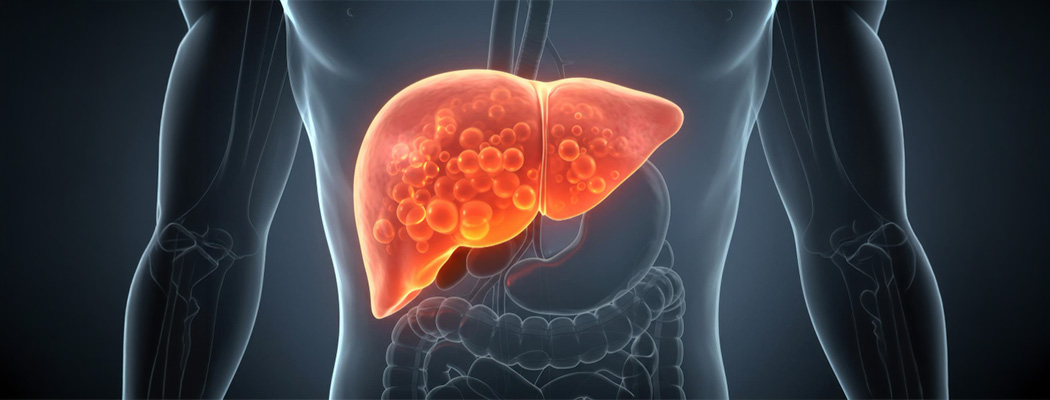
Tuesday, 7 July, 2026
A routine health check. An ultrasound done for a completely unrelated reason. A mildly abnormal liver test.
That is how many people discover they have fatty liver disease.
The surprising part? The condition often develops quietly. You may feel perfectly healthy while fat gradually accumulates inside the liver. In its early phase, the damage can often be reversed. Left unchecked, however, it can progress to inflammation, scarring, and eventually permanent liver damage.
Today, doctors increasingly use the term Metabolic Dysfunction-Associated Steatotic Liver Disease (MASLD) to describe fatty liver linked to obesity, diabetes, high cholesterol, and metabolic syndrome. Regardless of the terminology, understanding the fatty liver stages is one of the most important steps toward protecting your long-term health.
This guide explains each stage in simple terms, what it means for your body, and when you should take action.
What is Fatty Liver Disease?
Fatty liver disease occurs when excess fat accumulates inside liver cells. A small amount of fat in the liver is normal, but when fat accounts for more than 5% of liver cells, it is considered fatty liver.
The liver performs hundreds of essential functions, including:
- Filtering toxins from the blood
- Processing nutrients
- Producing proteins and hormones
- Supporting digestion through bile production
- Regulating cholesterol and glucose metabolism
When excess fat builds up, the liver can become inflamed and injured over time.
If you are looking for a deeper understanding of What is Fatty Liver Disease, it helps to know that the condition is now closely linked to modern lifestyle factors such as sedentary habits, obesity, insulin resistance, and unhealthy dietary patterns.
How Fatty Liver Disease Progresses Over Time?
Fatty liver does not follow the same path in every individual.
Some people remain in the earliest stage for decades without significant complications. Others may progress more rapidly, particularly when risk factors such as diabetes, obesity, hypertension, high cholesterol, or alcohol consumption are present.
Doctors often look at disease progression using two perspectives:
Clinical progression:
- Simple fatty liver
- Steatohepatitis
- Fibrosis
- Cirrhosis
Fibrosis staging:
- F0 = No scarring
- F1 = Mild scarring
- F2 = Moderate scarring
- F3 = Advanced scarring
- F4 = Cirrhosis
Among all fatty liver disease stages, the amount of fibrosis is considered the strongest predictor of future health outcomes.

Understanding the 4 Stages of Fatty Liver Disease
Stage 1: Simple Fatty Liver (Steatosis)
Also called stage 1 fatty liver, this is the earliest phase of the disease.
At this stage, fat droplets accumulate within liver cells, but there is little or no inflammation and virtually no permanent damage. Liver function usually remains normal, and many individuals experience no symptoms at all.
Common findings include:
- Incidental detection during ultrasound
- Mildly elevated liver enzymes
- No significant liver-related complaints
The challenge is that fatty liver stage 1 symptoms are often absent. Occasionally, some people report mild tiredness, but most remain unaware of the condition.
The good news is that this stage is often reversible. Weight reduction, healthier eating habits, improved blood sugar control, and regular exercise can significantly reduce liver fat.
Stage 2: Non-Alcoholic Steatohepatitis (NASH / MASH)
The next step is inflammation.
In fatty liver stage 2, fat accumulation is accompanied by active liver-cell injury and inflammation. Under a microscope, liver cells may appear swollen or damaged, a process known as ballooning degeneration.
Many patients still feel well. Others may notice:
- Persistent fatigue
- Reduced energy levels
- Mild discomfort in the upper right abdomen
These are among the commonly reported fatty liver stage 2 symptoms, although symptoms alone cannot determine disease severity.
This stage deserves attention because inflammation increases the likelihood of scar tissue formation. Fortunately, progression can still be slowed or reversed in many cases through intensive lifestyle modification and appropriate medical management.
Current approaches to fatty liver stage 2 treatment focus on weight loss, management of diabetes and cholesterol, dietary improvements, and selected medications for appropriate patients.
Stage 3: Liver Fibrosis
Fibrosis develops when repeated liver injury triggers the body's repair mechanism.
In fatty liver stage 3, scar tissue begins replacing healthy liver tissue. Initially, this scarring may be patchy, allowing the liver to continue functioning relatively normally.
Many people are surprised to learn that significant fibrosis can exist without dramatic symptoms.
Possible fatty liver stage 3 symptoms may include:
- Persistent fatigue
- Reduced stamina
- Mild abdominal discomfort
- General feelings of ill health
The reason doctors pay close attention to fibrosis is simple: fibrosis stage is strongly associated with future complications, including liver failure and liver-related mortality.
The encouraging news is that even moderate fibrosis can sometimes improve when the underlying causes are aggressively addressed.
Stage 4: Cirrhosis (Severe Liver Damage)
The most advanced stage is fatty liver stage 4, also known as cirrhosis.
At this point, extensive scar tissue has permanently altered the liver's structure. Blood flow through the liver becomes restricted, and the organ gradually loses its ability to perform vital functions.
Potential complications include:
- Jaundice
- Abdominal fluid accumulation (ascites)
- Internal bleeding from enlarged veins
- Easy bruising
- Confusion caused by toxin buildup
- Increased risk of liver cancer
Some individuals may remain in compensated cirrhosis for years with few symptoms. Once decompensation develops, however, serious medical intervention becomes necessary and liver transplantation may be considered in selected cases.
Fatty Liver Staging vs Grading: What’s the Difference?
Patients often hear both terms and assume they mean the same thing.
They do not.
Staging refers to the amount of fibrosis or scarring present within the liver.
Grading refers to the degree of inflammation and liver-cell injury occurring at a particular moment.
Think of it this way:
- Grade = How active the disease is
- Stage = How much permanent damage has accumulated
A patient may have substantial inflammation with limited scarring, or advanced scarring despite relatively mild current inflammation.
This distinction helps specialists estimate prognosis and guide treatment decisions.
Symptoms Across Different Stages of Fatty Liver
Early stages: minimal or no symptoms
The earliest stages are often silent.
Many patients discover fatty liver during routine health screenings, executive health packages, or imaging studies performed for unrelated reasons.
Possible symptoms include:
- Mild fatigue
- Feeling sluggish
- No symptoms at all
Mid stages: fatigue, discomfort
As inflammation and fibrosis develop, symptoms may become more noticeable.
Patients sometimes experience:
- Ongoing tiredness
- Reduced exercise tolerance
- Right upper abdominal discomfort
- General malaise
Because these symptoms are nonspecific, imaging and laboratory testing remain essential for diagnosis.
Advanced: jaundice, swelling, complications
Advanced liver disease can cause:
- Yellowing of skin and eyes
- Leg swelling
- Abdominal swelling
- Easy bruising
- Mental confusion
- Digestive bleeding
These symptoms require prompt specialist evaluation.
Risk Factors That Accelerate Disease Progression
Obesity
Excess body fat increases insulin resistance and promotes fat deposition inside the liver. Even modest weight loss can significantly reduce liver fat content.
Diabetes
Type 2 diabetes is one of the strongest drivers of progression. Poor blood sugar control increases inflammation and fibrosis risk.
High cholesterol
Abnormal cholesterol and triglyceride levels contribute to metabolic dysfunction and worsening liver health.
Alcohol
Alcohol can worsen liver injury, even in individuals whose disease originally developed from metabolic causes.
Metabolic syndrome
The combination of obesity, hypertension, diabetes, and abnormal cholesterol creates a particularly high-risk environment for progression.
Research increasingly shows a strong connection between Fatty Liver Disease & Heart Attack Risk, highlighting why treatment should focus on overall metabolic health rather than the liver alone.

When Should You Be Concerned About Your Stage?
Concern should not begin only when cirrhosis develops.
You should seek medical evaluation if:
- Liver enzymes remain elevated
- Imaging shows fatty liver
- You have diabetes or obesity
- There is evidence of fibrosis
- Symptoms such as jaundice or abdominal swelling appear
Early assessment allows doctors to identify patients at higher risk before irreversible damage occurs.
Consulting an experienced liver specialist in bangalore can help determine your fibrosis risk and establish an appropriate monitoring plan.
How to Prevent Progression of Fatty Liver Disease
Weight loss
Losing 7–10% of body weight has been shown to reduce liver fat and may improve inflammation and fibrosis.
Balanced diet
A Mediterranean-style eating pattern rich in vegetables, fruits, legumes, whole grains, nuts, and healthy fats is associated with improved liver health.
Many patients searching for How to Reduce Fatty Liver Naturally benefit most from sustainable dietary changes rather than restrictive fad diets.
Exercise
Aim for at least 150 minutes of moderate physical activity each week. Walking, cycling, swimming, and strength training all contribute to improved metabolic health.
Limit alcohol
Reducing or avoiding alcohol helps prevent additional liver injury.
Manage metabolic conditions
Controlling diabetes, cholesterol, blood pressure, and obesity is essential for preventing progression and improving long-term outcomes.
Conclusion
Understanding the fatty liver stages can help transform a seemingly harmless ultrasound finding into an opportunity for prevention.
While fatty liver disease stages range from simple fat accumulation to advanced cirrhosis, progression is not inevitable. Many patients can stabilize or even reverse liver damage through sustained lifestyle changes and appropriate medical care.
The earlier the condition is identified, the greater the opportunity to protect liver function and reduce future cardiovascular risk. If you have diabetes, obesity, abnormal cholesterol levels, or a family history of metabolic disease, consider a comprehensive liver evaluation. Seeking care at the best liver hospital in bangalore can help ensure timely diagnosis, expert guidance, and personalised treatment planning.
FAQs
1. Can fatty liver stages improve with treatment?
Yes. Early stages can often be reversed through weight loss, healthy eating, exercise, and effective management of diabetes or cholesterol. Even some fibrosis may improve when the underlying cause is addressed early and consistently.
2. How long does it take to move from one stage to another?
There is no fixed timeline. Some people remain stable for decades, while others progress within a few years. Factors such as obesity, diabetes, genetics, metabolic syndrome, and alcohol consumption influence the rate of progression.
3. Is stage 1 fatty liver completely harmless?
No. Although liver damage is minimal at this stage, stage 1 fatty liver signals underlying metabolic dysfunction. It is also associated with a higher long-term risk of cardiovascular disease and progression if risk factors remain uncontrolled.
4. What tests confirm the stage of fatty liver accurately?
Doctors commonly use liver function tests, ultrasound, FibroScan (transient elastography), MRI-based imaging, and fibrosis scoring systems. In selected cases, a liver biopsy remains the most accurate method for determining inflammation and fibrosis stage.